Severe Weather and FAA Limits Trigger Major Disruptions
As Memorial Day weekend unfolds, travelers across the United States are confronting significant flight delays and cancellations at major airport hubs. The combined forces of widespread severe storms and Federal Aviation Administration (FAA) imposed capacity restrictions have resulted in unprecedented stress on the nation’s air travel network.
Airports in Chicago, Denver, Dallas, and Atlanta are among the hardest hit by these overlapping challenges, which have stretched airline and airport operations to their limits. Thousands of flights operated by leading carriers including Delta Air Lines, United Airlines, Southwest Airlines, and American Airlines have experienced interruptions.
FAA Capacity Caps and Their Role in Ongoing Congestion
The FAA implemented capacity caps as
a measure to manage anticipated operational constraints during the peak travel period. Amidst the surge in passenger volume, limiting the number of flights permitted into busy airspaces aims to maintain safety and reduce system-wide delays.
However, as these restrictions coincide with severe weather conditions, their intended smoothing effect on air traffic flow has been compromised. Limited slots for arrivals and departures at key metropolitan airports contribute to bottlenecks, causing extended wait times and cascading delays throughout the national airspace system.
Impact of Severe Storms on Flight Operations
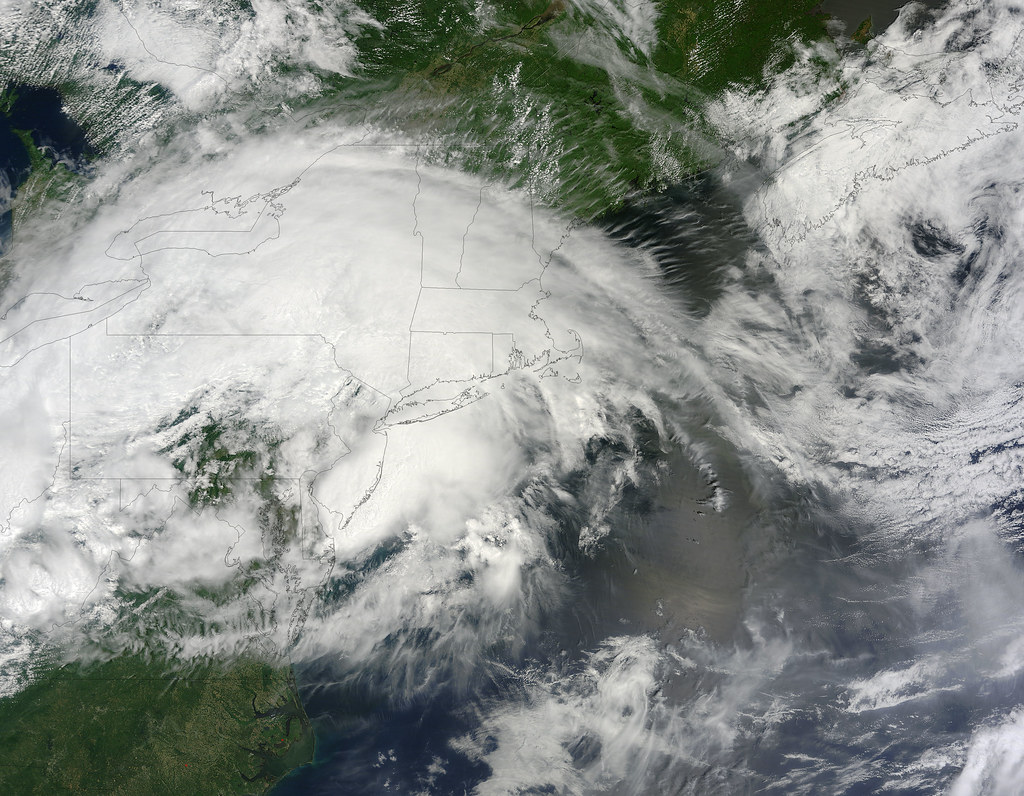
Severe storms, with locally intense rainfall, lightning, and turbulence, have hampered visibility and aircraft movement on the ground and in
airways. These weather events have forced airlines to adjust schedules, pause departures and arrivals, and reroute flights when necessary.
Such operational adjustments have further compounded issues at central hubs already operating under FAA-imposed caps. The fluctuating weather patterns across key regions including the Midwest and the South exacerbate the complexity of managing air traffic flow and maintaining on-time departures and arrivals.
Consequences for Travelers and Airport Congestion
Passengers traveling over Memorial Day weekend are facing longer wait times both in terminals and at security checkpoints. Flight cancellations and delays require last-minute itinerary changes, causing ripple effects on connecting flights and ground transportation.
Increased airport congestion is
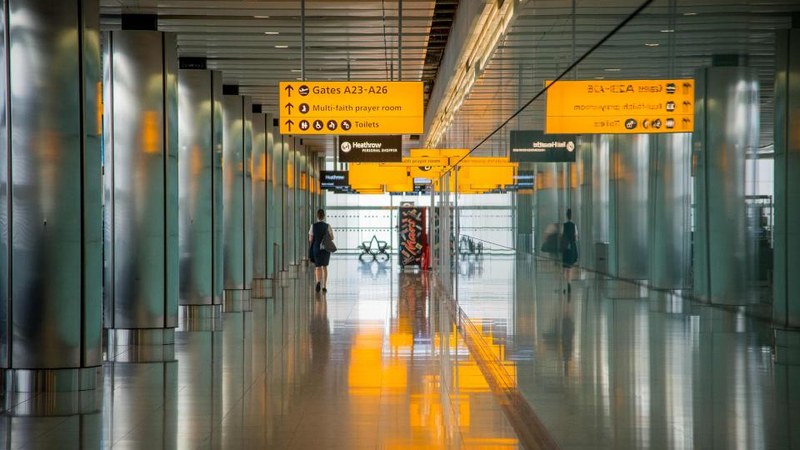
evident, with crowded terminals and extended processing times reported across the affected airports. The disruption threatens to undermine traveler confidence during one of the busiest domestic travel periods of the year.
Industry Repercussions Amid Peak Holiday Demand
The travel industry and tourism business sectors are navigating significant operational challenges as a result of these combined disruptions. Airlines must absorb the costs and logistical hurdles of managing rescheduled flights, increased passenger service demands, and aircraft repositioning.
Airport authorities face pressure to coordinate with federal agencies, weather monitoring services, and carriers to minimize disruption impact and maintain safety standards. This confluence of severe weather and FAA regulations is
placing strain on resources and staff at critical points in the air travel infrastructure.
Looking Ahead
Stakeholders across the air travel ecosystem continue to monitor evolving weather conditions and adjust FAA capacity protocols accordingly. While the intent of capacity caps remains focused on ensuring safe and efficient operations, the unpredictable nature of severe storms remains a complicating factor.
Travelers are advised to remain flexible with plans and stay updated through official airline and airport communications as Memorial Day weekend progresses.