International Disinfection Measures at Rotterdam Port
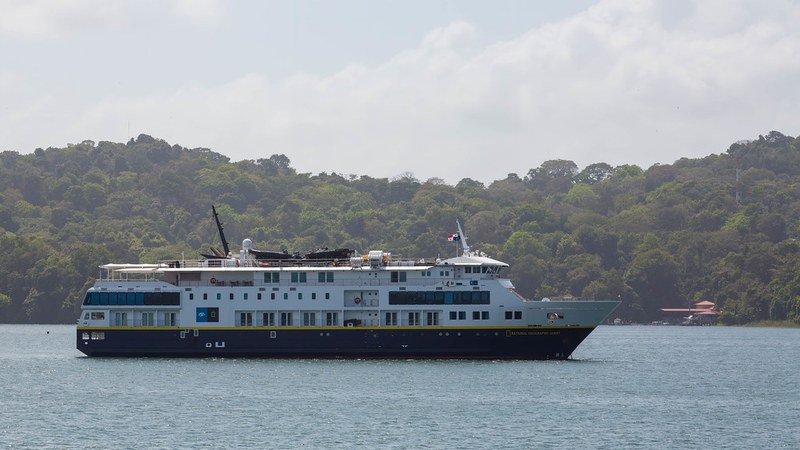
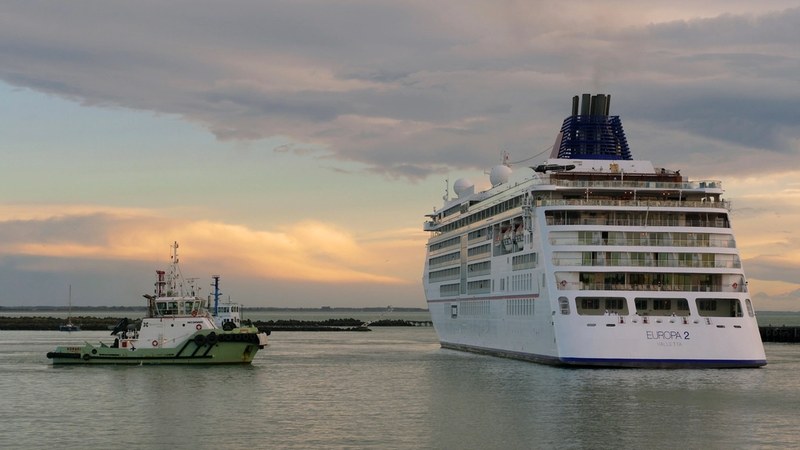
A cruise ship identified in connection with a hantavirus outbreak recently docked at the Rotterdam port, initiating a rigorous disinfection procedure consistent with evolving global health standards. The port authority has implemented intensified sanitation protocols, focusing on comprehensive cleaning and containment to mitigate further risks. These efforts reflect coordinated action designed to reduce potential transmission within the maritime environment.
Rotterdam, as one of Europe’s major cruise hubs, is pivotal in enforcing stringent sanitation measures across incoming vessels. The current disinfection processes follow updated guidance tailored to address viral outbreaks, indicating operational adjustments across port facilities to uphold biosecurity.
Expanded Health Monitoring and Safety Protocols Globally
In response
to the incident, multiple European ports have ramped up health and safety protocols, deploying enhanced symptom screening and sanitation strategies. The outbreak has underscored the necessity for international cooperation on health surveillance to promptly identify and isolate potential cases aboard cruise ships.
These measures include rigorous environmental decontamination combined with proactive passenger and crew health assessments. The maritime sector’s approach embraces technological and procedural tools to limit outbreak impact, signifying an adaptive framework in cruise health safety management.
Implications for U.S. Travelers and Authorities
U.S. health agencies have joined global efforts by intensifying monitoring for travelers linked to cruise itineraries involving European ports, including Rotterdam. Enhanced
surveillance aims to detect early indications of infection and advise affected passengers on best practices for risk reduction.
Travelers from the U.S. planning cruises that transit international hubs should anticipate increased health screenings and follow travel safety alerts issued by official agencies. These protocols are designed to foster informed travel decisions and protect public health amid ongoing uncertainty surrounding the spread of hantavirus in maritime contexts.
Analysis: Significance of Coordinated Cruise Health Responses
The cruise industry’s handling of the hantavirus situation highlights the critical role of rapid, coordinated public health interventions in managing infectious risks associated with global travel. Ports like Rotterdam, equipped with advanced disinfection capabilities
and strict biosecurity policies, play a vital role in containment efforts.
For U.S. authorities, aligning domestic health monitoring with international protocols strengthens cross-border disease control. These collaborative measures reduce potential disruption to cruise operations while prioritizing passenger and crew safety. Maintaining vigilance and adaptability in response plans remains essential as pathogens continue to pose evolving challenges to the travel sector.
Operational Adjustments for Cruise Operators and Passengers
Cruise lines are revising health safety strategies including onboard sanitation, pre-boarding health questionnaires, and enhanced crew training in infection prevention. Passengers should stay informed regarding updated travel safety alerts and adhere to recommended precautions such as reporting symptoms promptly and
practicing good hygiene.
The ongoing outbreak emphasizes the importance of flexibility in cruising plans, with travelers encouraged to monitor official guidance closely and seek advice from health authorities before voyages involving international ports. These proactive measures contribute to minimizing health risks while preserving confidence in cruise travel during periods of contagion concern.