Emerging AI Technologies Reshape European Border Procedures
Europe is advancing its border security infrastructure by integrating advanced artificial intelligence (AI) systems at key entry points. These next-generation AI border control technologies are designed to enhance security measures by automating identity verification and threat detection. The implementation is part of broader efforts to modernize EU border protocols amid evolving security challenges. While the focus is on ensuring safer and more efficient crossings, this transition involves considerable adaptation for travelers and border personnel alike.
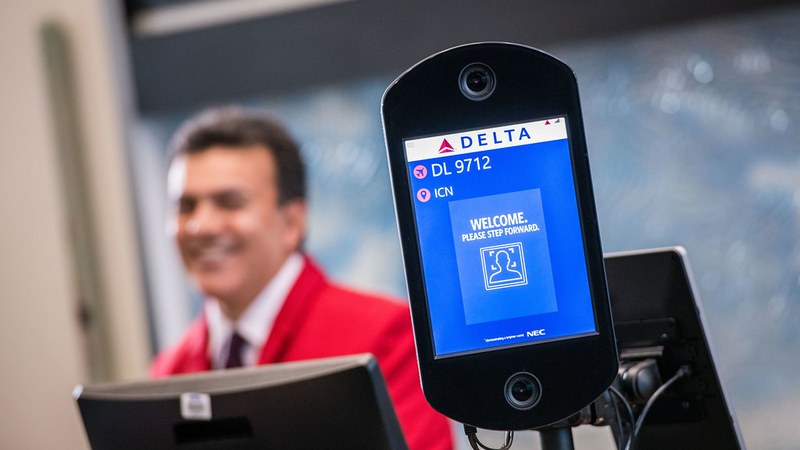
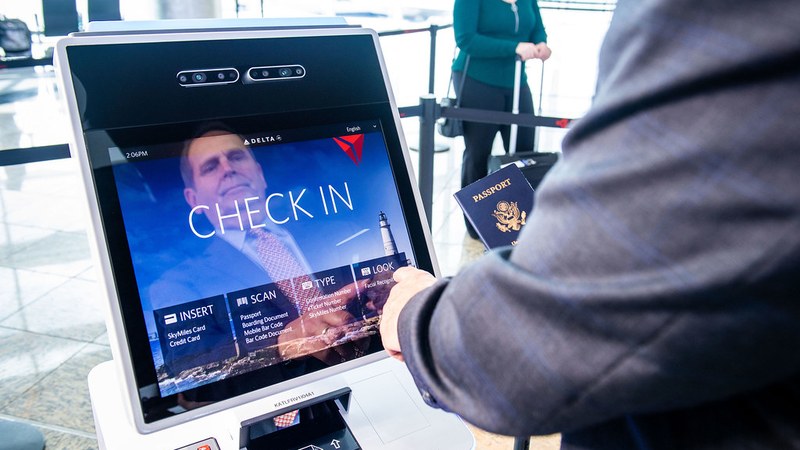
The introduction of AI-enhanced systems represents a significant shift from traditional manual passport checks. Automated scanners, biometric data processing, and AI-driven behavioral analytics now supplement
conventional controls. These technological upgrades aim to streamline passenger flows in the long term. However, given the scale and complexity of deployment across multiple countries, operational adjustments during the initial rollout phase are anticipated.
Potential Travel Disruptions for U.S. Visitors During Peak Summer
U.S. tourists traveling to Europe in the summer months might encounter extended wait times at international border crossings as AI border control systems become more widely operational. These systems, while intended to expedite processing, involve new protocols that may result in slower throughput during busy periods, particularly as travelers and officials become familiar with the technology.
Summer is a peak travel season for transatlantic visitors, coinciding
with increased passenger volumes at airports and land border points throughout the European Union. The convergence of high traffic and newly implemented security technology can contribute to unforeseen delays. Consequently, U.S. passengers should anticipate potential adjustments to their entry experience and plan accordingly to minimize disruption.
Travelers are advised to arrive earlier than usual and ensure that all necessary documentation is accurate and easily accessible. Airlines and travel advisories may update guidelines to assist passengers in navigating the evolving landscape at EU borders.
Security Enhancements and Traveler Considerations
Enhancements driven by AI border technologies reflect a broader commitment within the European security tech sector to
sharpen threat identification and reduce illegal crossings. These advances also align with EU-wide strategic priorities aimed at safeguarding external borders through innovative digital tools.
For U.S. travelers, this translates into more stringent and possibly more nuanced security checks that go beyond standard physical document inspection. AI systems are capable of detecting inconsistencies, verifying biometric data, and detecting behavioral irregularities that human operators might overlook. While such capabilities heighten security, they may require travelers to conform to stricter compliance standards during entry processing.
Understanding these developments is essential for U.S. visitors. Staying informed about official travel notices and updates from European
border authorities can help mitigate surprises. Travelers should also be prepared for potential secondary screenings or additional verification steps that could extend processing times.
Looking Ahead: Balancing Security and Travel Efficiency
As Europe continues rolling out AI-powered border control solutions, stakeholders in the travel industry are monitoring impacts on passenger flow and traveler satisfaction closely. The objective remains to balance rigorous security requirements with the need for efficient, frictionless travel experiences. For now, heightened vigilance and flexible planning are key for U.S. visitors arriving at European borders this summer.
While specific details on exact delay durations or the particular border points most affected remain undisclosed, industry experts
anticipate a period of transition during which operational teething issues may emerge. Airlines, travel agencies, and tourism bodies are expected to collaborate on communication strategies that keep travelers well-prepared.
In summary, the emergence of AI border control technology across Europe brings both promise and challenges. For U.S. travelers embarking on summer journeys to Europe, awareness and preparedness can ease the process amid evolving security protocols.