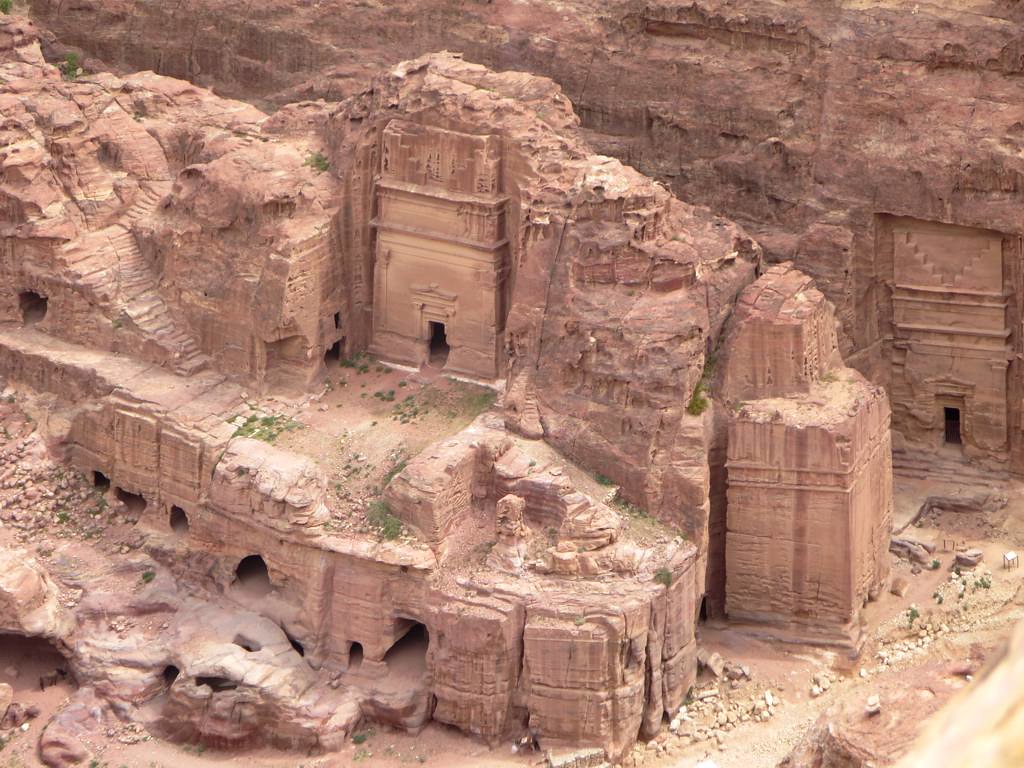
Current Status of Tourism in Petra Amid Regional Instability
Petra, Jordan’s renowned ancient city and a flagship tourism destination in the Middle East, is currently witnessing an unprecedented collapse in visitor numbers. The ongoing tensions and conflicts reshaping the Middle East have had a profound impact on the region’s political climate, leading to ripple effects in tourism sectors across multiple countries, including Jordan.
Once bustling with tourists exploring its sculpted rock facades and archaeological wonders, Petra’s streets are now notably quiet. This silence reflects the broader challenge facing the Jordan tourism industry as travel curbs and safety concerns weigh heavily on potential visitors.
Impact of International Travel Advisories on U.S. and European Tourists
Travel advisories and policy shifts from
nations such as the United Kingdom, United States, Germany, Spain, and Italy have contributed to a restrained flow of tourists into Jordan. The UK, for instance, has joined others in revising its travel guidance, advising increased caution or limiting non-essential travel to Jordan.
For American tourists, these advisories translate into heightened awareness of safety considerations and a reevaluation of travel plans. European and American governments’ stances influence both traveler confidence and the logistical ease of arranging trips to Petra and surrounding areas.
What U.S. Tourists Should Monitor and Prepare For
U.S. visitors planning future journeys to Petra should actively monitor diplomatic updates and travel advisory changes related to
the Middle East. Given the fluidity of regional security and geopolitical developments, staying informed is crucial.
Review official travel advisories from the U.S. State Department before booking Consult with tour operators who have up-to-date information on local conditions Consider flexible booking options to accommodate sudden changes Maintain travel insurance that covers trip interruption or cancellation linked to regional instability
Careful itinerary planning is recommended to navigate potential disruptions to local tourism infrastructure, which has experienced strain due to the precipitous visitor drop.
Economic Repercussions for Jordan’s Tourism Sector
The sharp decline in tourist arrival at Petra has had significant economic consequences for Jordan, a country where
tourism constitutes a vital segment of the national economy. Local businesses, guides, hospitality workers, and cultural attractions in and around Petra are directly affected by this downturn.
The decrease in visitors not only challenges the preservation of the historic site through reduced revenue but also impacts the livelihoods of the local community relying on tourism-driven income. The situation underscores broader concerns within the Jordan tourism industry as it seeks recovery pathways amidst ongoing Middle East uncertainties.
Navigating Travel Amid Middle East Tensions: Practical Advice for Travelers
Travelers intent on visiting Petra should prioritize safety and ensure thorough preparation before embarking on trips to this iconic destination. Engaging with experienced travel
agents, registering travel plans with relevant consular services, and remaining aware of the evolving geopolitical context are advisable steps.
While Petra remains a site of extraordinary cultural and historical significance, the current environment requires travelers to exercise measured judgment aligned with official guidance and security recommendations.
Those with planned travel should remain adaptable and regularly check both Jordanian local information and their home country’s guidance. Monitoring credible news sources and social media channels of governmental agencies can provide timely updates as situations develop.
Ultimately, travelers aware of the complex regional dynamics and prepared for changing circumstances will find it easier
to navigate their journeys responsibly. Jordan’s Petra continues to represent a unique heritage experience, but its accessibility and safety are contingent on broader regional stability restructuring.