In June 2026, an escalation of the conflict between Israel and Iran has resulted in missile alerts and airspace lockdowns across 14 Middle Eastern nations. This development has severely affected the aviation landscape, with numerous flights being canceled or diverted in response to increased security concerns.
The affected countries include key regional players such as the United Arab Emirates, Saudi Arabia, Qatar, Jordan, Lebanon, Iran, Iraq, Israel, Syria, Turkey, Oman, Bahrain, Egypt, Cyprus, and Greece. These widespread restrictions have prompted airlines to reroute thousands of flights away from Iraqi, Iranian, Israeli, and Gulf airspace, redirecting traffic primarily through Mediterranean and
Levant corridors. This shift represents one of the most significant aviation disruptions in the region during 2026.
Current Flight Operations and Regional Impact
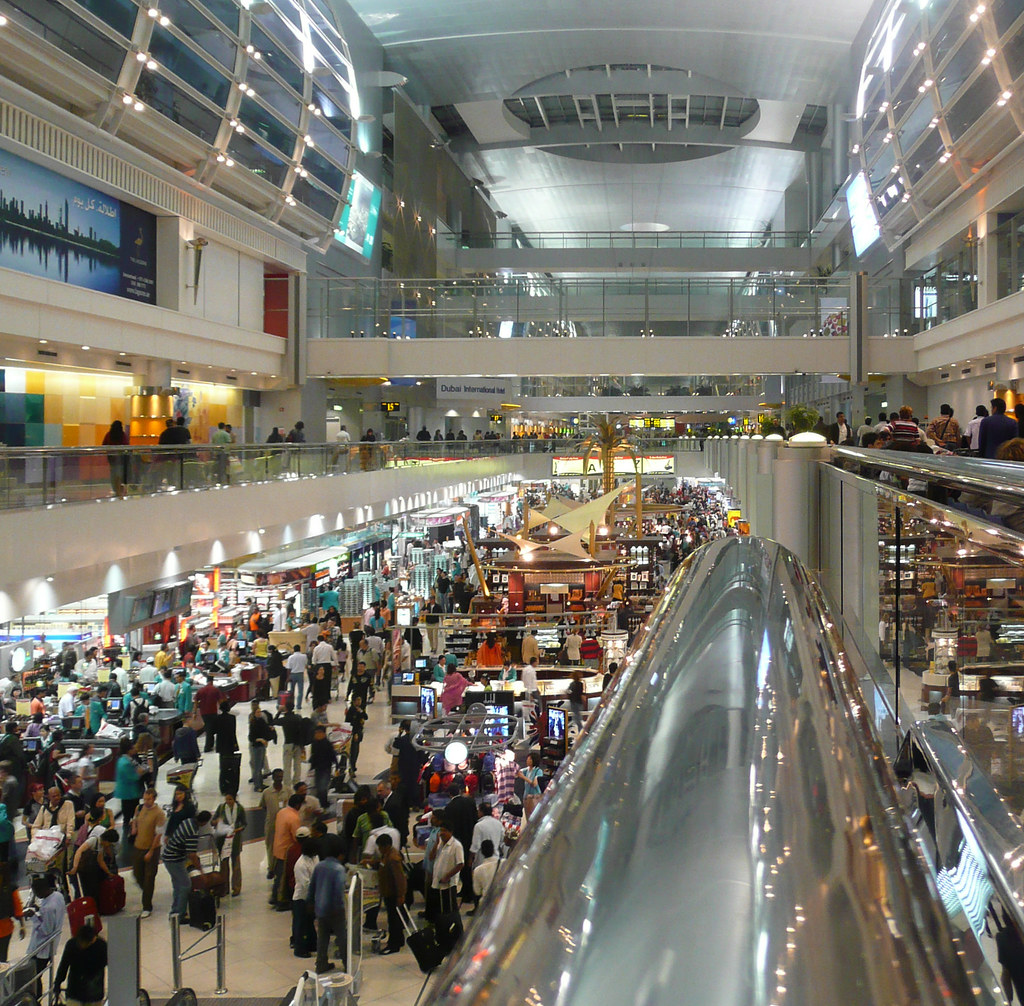
Despite the ongoing airspace restrictions, some major Middle Eastern airport hubs, including those in the UAE, Saudi Arabia, and Qatar, have partially resumed operations under close monitoring. However, the continued presence of missile alerts and airspace closures poses ongoing challenges for flight scheduling and passenger movements. European aviation authorities have issued warnings regarding the situation, which have contributed to increased travel costs, reduced demand, and heightened safety concerns for travelers.
As a result of these developments, tourism activities across the Middle East are
largely immobilized, with significant cancellations and delays affecting both inbound and outbound travelers. The complex security environment and evolving airspace restrictions have created an unpredictable context for aviation and tourism sectors across the region.
Travelers considering trips to or through the Middle East should closely monitor official aviation and government updates due to the fluid nature of the situation. Adjustments to flight plans, delays, and cancellations remain a significant possibility while regional tensions continue to influence air traffic control decisions.