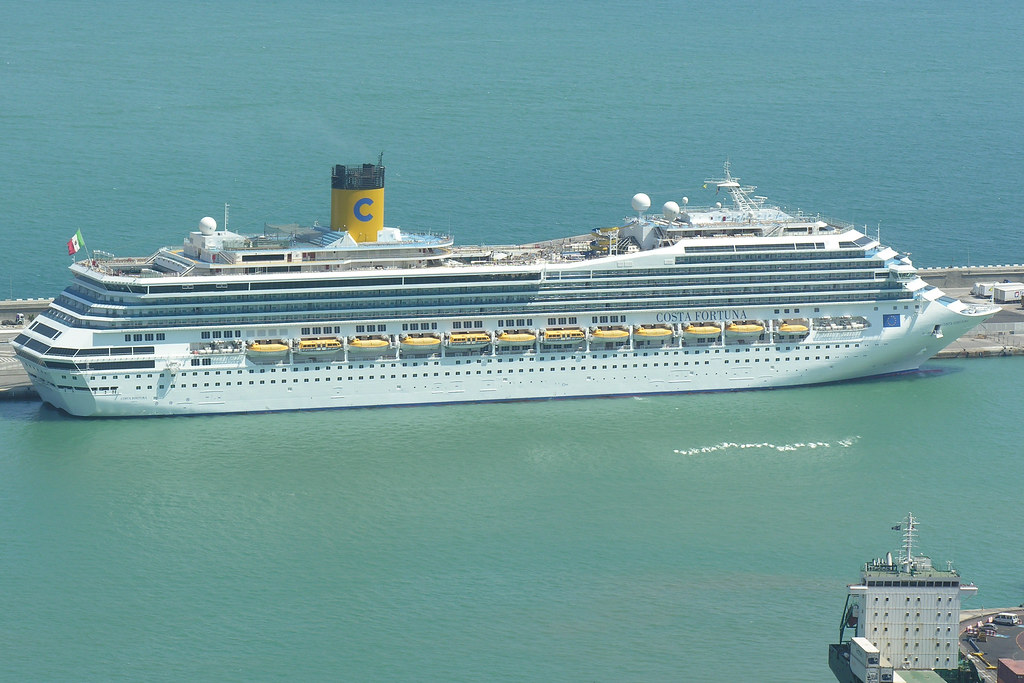
Barcelona Implements Increased Cruise Passenger Tax Amid Tourism Sustainability Efforts
Barcelona, one of the Mediterranean’s busiest cruise ports, has recently doubled its cruise passenger tax to €8 per day. This measure aims to address the intensified challenges posed by growing tourism volumes while promoting sustainable management of the city’s coastal and urban environment. The increased levy seeks to balance economic benefits from cruise tourism with the preservation of Barcelona’s infrastructure and cultural heritage. As a leading European cruise gateway, Barcelona’s decision marks a notable development in European port fees, drawing attention across the travel industry.
While this tax hike is designed to mitigate tourism pressures and ensure long-term sustainability, it
also contributes to evolving operational costs for cruise lines servicing Mediterranean itineraries. Ports such as Barcelona are adapting to heightened visitor numbers and environmental considerations by leveraging fiscal tools like passenger taxes.
Implications for U.S. Travelers on Mediterranean and European Cruises
For American travelers, this increase in passenger tax translates into a potential rise in overall cruise expenses. Although the exact cost transfer mechanisms remain unclear, passengers can generally expect that additional port fees will be incorporated into cruise fare structures or onboard charges. U.S. travelers booking Mediterranean cruises that include Barcelona as a port of call should be aware of this change in order to better anticipate budget
impacts.
The hike comes amid a broader context where European ports are reconsidering their fee structures to address infrastructural demands and ecological commitments. U.S. consumers, in particular, may see rising costs not only related to Barcelona but also on other European cruise itineraries, potentially influencing itinerary preferences and travel planning choices.
Broader Context: European Port Fees and Cruise Industry Adjustments
Barcelona’s decision to increase cruise passenger taxes is reflective of a wider trend across major European cruise ports facing new pressures from high tourist volumes and the imperative for sustainable operations. Several other countries and cities have implemented or are considering enhanced taxes or fees targeting cruise visitors.
These
changes highlight the balancing act between maximizing tourism revenue and managing the associated environmental and social footprint. Cruise lines navigating the Mediterranean and broader European regions will need to adapt to these evolving cost structures within an increasingly complex regulatory environment.
As port fees climb, cruise operators may revisit itinerary offerings, onboard pricing, or service models to accommodate the fiscal shifts without compromising the traveler experience. For the U.S. market, where Mediterranean cruises are a popular seasonal choice, these port fee changes add another dimension to cruise pricing considerations.
Strategic Considerations for Planning Future Cruises
American travelers aiming to sail the Mediterranean or explore European coastal
cities by cruise should account for the increased charges stemming from Barcelona’s revised tax policy. Factoring in port fees when evaluating cruise options can help ensure more accurate budget forecasting.
Travel advisors and industry stakeholders may also advise clients to remain attentive to additional port fee announcements as European destinations adapt to post-pandemic tourism patterns. While the full impact on bookings is yet to be quantified, early awareness and strategic planning can assist travelers in making informed decisions.
Ultimately, this tax adjustment underscores the dynamic nature of cruise pricing linked to destination policies. U.S. passengers embarking on Mediterranean and European
cruises should maintain updated knowledge of port fee trends and anticipate related adjustments to overall travel costs.