Midwest Snowstorm Triggers Extensive Disruptions at Major Airports
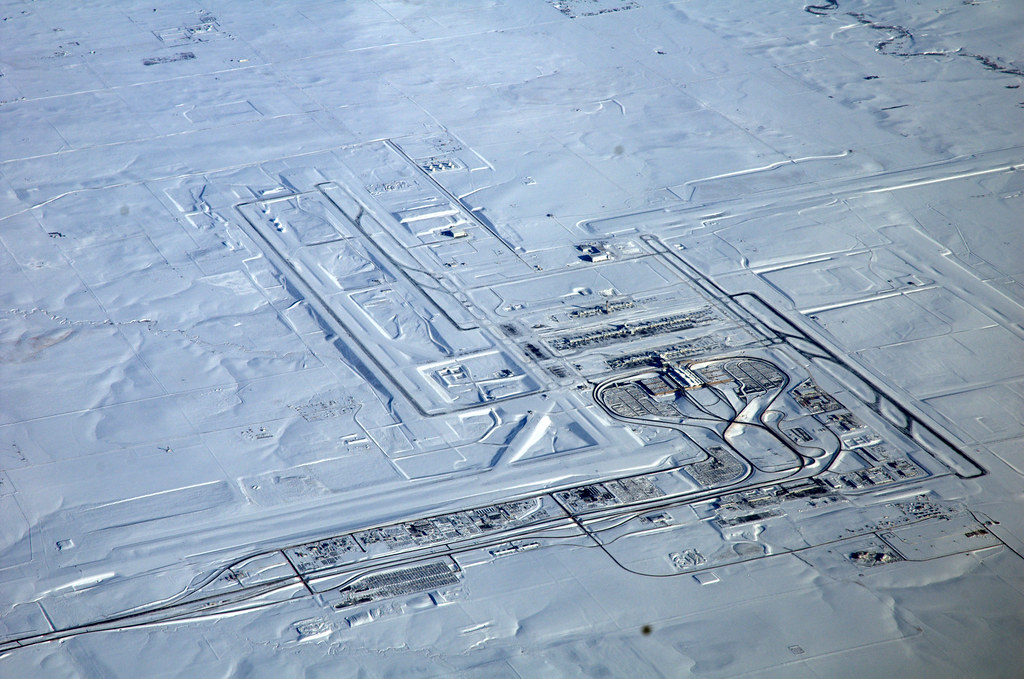
A fierce blizzard sweeping across the Midwest region has resulted in one of the most severe winter travel disruptions this season. Key airports across states including Illinois, Michigan, and Ohio are reporting widespread flight cancellations and delays attributed to heavy snowfall and hazardous conditions on and around runways. With weather impacting both inbound and outbound flights, this storm presents significant challenges for travelers navigating the affected hubs.
Approximately 2,000 flight cancellations have been reported, reflecting the broad reach and intensity of the storm. Airport operations teams are actively working to maintain safety amid the snow and ice buildup, while airlines
are adjusting schedules to best manage the volatile travel environment. This disruption comes during a peak winter travel period, amplifying the effects on passenger flow and transit connectivity.
Impact on Key Midwest Airports and Connecting Hubs
Airports within the Midwest corridor continue to experience heavy snow accumulation and limited visibility, complicating runway maintenance and aircraft deicing procedures. The ripple effect is influencing connecting and destination airports nationwide, resulting in cascading delays across the US air travel network.
Some of the most affected airports serve as critical regional and national connecting points, intensifying the storm’s impact beyond the immediate Midwest vicinity. Passengers departing from or arriving at these airports
should anticipate irregular operations and remain in close contact with airlines for updates.
Guidance for Travelers Amid Weather-Related Flight Changes
Given the dynamic situation, travelers are urged to maintain a flexible mindset regarding travel plans. Key recommendations include:
Checking the status of flights directly with airlines before heading to the airport. Allowing extra time for travel to and within affected airports due to snow-related road and terminal delays. Preparing for possible extended wait times in airport terminals. Considering travel insurance options that cover weather disruptions. Monitoring official travel advisories issued by airport authorities and national weather services.
What to Monitor and Prepare for Next
As winter weather conditions evolve, travelers should monitor official channels for the latest information on flight statuses and airport operations. Airlines and airports may update their policies regarding
cancellations, rebookings, and boarding procedures as the situation demands.
It is also prudent to review transportation arrangements to and from airports, as snow can affect ground transit options. Staying informed about local weather alerts and being prepared for sudden changes will help mitigate travel frustrations.
Overall, the Midwest snowstorm underscores the importance of flexible travel plans and proactive communication for anyone flying in or through the impacted areas during US winter travel season.