Widespread Disruptions at Key U.S. Airports During Peak Travel Period
As the 2026 holiday travel season progresses, significant disruptions are being reported at several major U.S. airports, with Chicago O’Hare and Atlanta Hartsfield-Jackson among the hardest hit. Airlines including Delta, United, and Southwest are facing operational challenges resulting in numerous flight cancellations and widespread delays. These issues come amid a mix of severe weather systems, operational capacity limits set by the Federal Aviation Administration (FAA), and surging traveler demand typical of the high season.
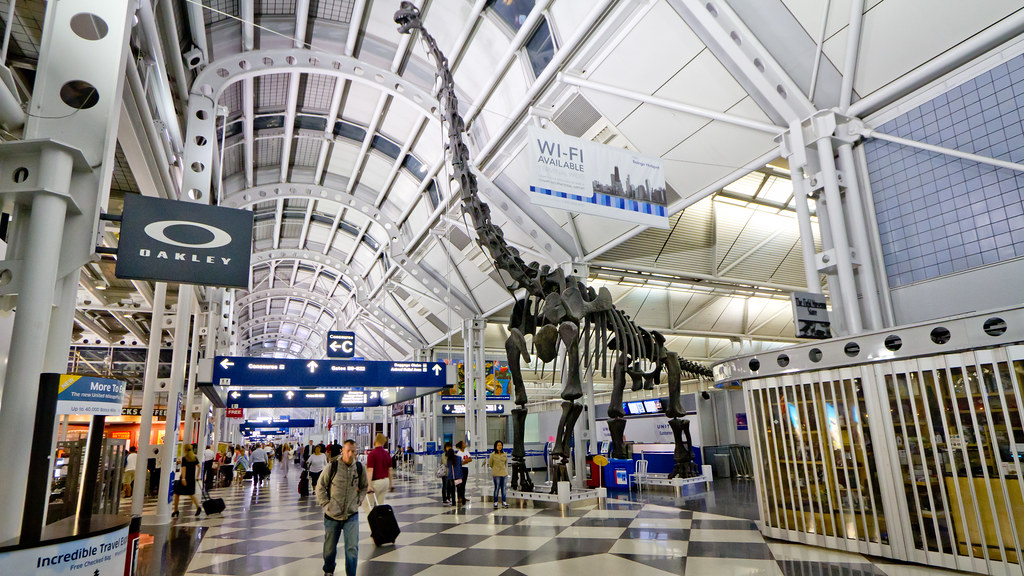
Chicago O’Hare, a critical hub especially for United and American Airlines, has reported over 350 delayed departures alongside numerous cancellations. Similarly, Atlanta Airport, one of the
busiest worldwide and a major hub for Delta Airlines, is experiencing significant disruptions affecting thousands of flights. These operational setbacks are not isolated but part of a nationwide pattern impacting flights throughout the U.S.
Factors Contributing to Current Flight Delays and Cancellations
The current disruption climate reflects several converging factors. Severe storms over multiple regions have forced ground stoppages and limited airspace availability, causing ripple effects in scheduling at critical hubs. In addition, the FAA has imposed flight caps at certain airports to manage congestion and improve safety, which inevitably lowers throughput capacity during peak times.
High travel demand during the holiday season exacerbates these constraints, placing additional
strain on airline crews, ramp operations, and air traffic control resources. These conditions have collectively contributed to elevated levels of flight delays and cancellations affecting not only the major carriers but also smaller regional airlines operating out of these hubs.
Implications for Domestic Travelers and Recommendations
For domestic travelers in 2026, the ongoing disruptions underline the importance of vigilant travel planning. Passengers are advised to monitor flight statuses closely through their airline’s official channels and to anticipate longer wait times when navigating airports like Chicago O’Hare and Atlanta.
Considering alternative routing options could provide relief from some of the congestion at the busiest airports. Early airport
arrival and flexible scheduling may also reduce the impact of unexpected changes. Travelers booked on Delta, United, Southwest, or other carriers serving these hubs should maintain close contact with their airlines to stay informed of any updates or requirements.
While the precise duration or resolution of these disruptions remains uncertain, proactive planning can significantly improve the travel experience during this demanding period.