Flight Disruptions at Austin-Bergstrom and Across US Airports
American travelers are facing notable travel disruptions as significant flight delays and cancellations continue to impact major US airports. Among the affected locations, Austin-Bergstrom International Airport experienced numerous delays alongside a cancellation, reflecting a broader pattern of challenges across domestic flight networks.
This surge in operational issues has disrupted schedules citywide, affecting passengers and airlines alike. The delays and cancellations at Austin-Bergstrom are emblematic of similar incidents reported across multiple US cities, underscoring persistent difficulties within the country’s air travel infrastructure.
Technology and Operational Challenges Behind Domestic Flight Issues
Industry observers point to ongoing technological gaps and operational inefficiencies as key contributors to these disruptions. Airline operational issues,
including scheduling complexities, air traffic control constraints, and ground handling inefficiencies, have compounded the impact on US domestic flights.
Technological systems that support flight scheduling, real-time tracking, and communication between airline and airport operations appear to be under strain, leading to cascading effects on flight punctuality. While exact internal causes remain undisclosed, the prevalence of delays signals systemic challenges within airline and airport technology frameworks.
Wider Effects on Travelers and Air Travel Experience
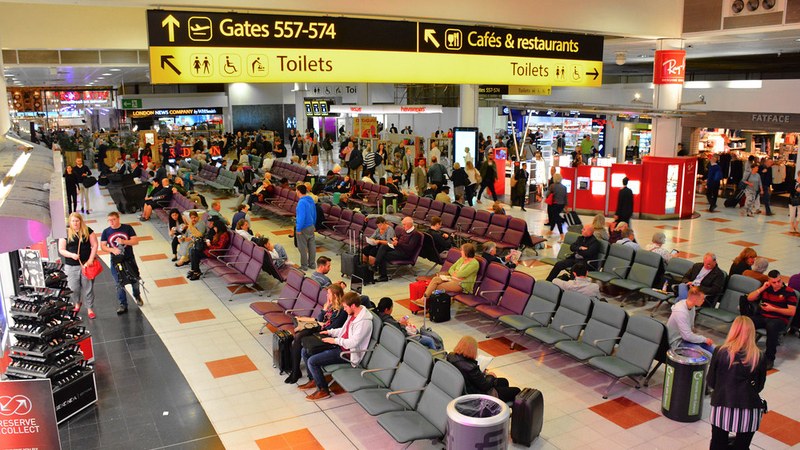
The direct effects of these disruptions are evident for travelers in the form of extended waiting times, missed connections, and increased uncertainty when navigating airport terminals. Passengers at Austin-Bergstrom and other affected airports have reported
congested boarding areas and extended periods of time spent in holding patterns before departure.
Such disturbances highlight the vulnerability of the domestic flight network to technological and operational shortcomings, impacting both leisure and business travelers. This ongoing situation underscores the need for improved contingency planning and system resilience within US airport and airline operations.
Essential Steps for Travelers Amid Flight Disruptions
Given the current operational landscape, American travelers are advised to take proactive measures when planning domestic flights:
Check real-time flight status updates regularly before heading to the airport. Allow additional time for check-in and security processes to accommodate possible congestion. Consider flexible ticket options or travel insurance to mitigate the impact of any cancellations or long delays. Stay informed about airport advisories and
airline notifications related to operational disruptions.
These practices can help mitigate passenger inconvenience during periods marked by flight delays and uncertain schedules.
Looking Ahead: Monitoring Industry Response and Improvements
While the current issues highlight critical shortcomings, airline and airport stakeholders are under growing pressure to implement technological upgrades and refine operational protocols. Enhanced automation, improved data integration, and responsive resource allocation represent potential avenues to alleviate delays and minimize cancellations moving forward.
Travelers should remain attentive to changes in airline policies and airport services designed to reduce disruption risks. Awareness and adaptability will remain key as the US domestic flight sector navigates these persistent challenges throughout 2026.
Staying informed and prepared remains the most practical approach for travelers confronting today’s unsettled air travel environment.