Astrotourism Gains Traction with Gen Z Travelers in 2026
The travel landscape in the United States is experiencing a notable shift as astrotourism emerges as a significant trend among young travelers, particularly from Generation Z. This niche segment, centered on stargazing, cosmic exploration, and space-themed experiences, is attracting increased attention for its unique appeal to younger demographics seeking more immersive, experience-driven journeys.
The Rise of Cosmic Travel Experiences Among U.S. Young Travelers
U.S.-based young travelers have shown a growing appetite for travel that combines adventure with learning about the night sky. Astrotourism taps into this interest by offering travelers opportunities to witness celestial events, visit observatories, and engage with space science in a manner that intersects education and entertainment.
This demand is reshaping niche travel segments and encouraging tourism providers to integrate cosmic elements in their offerings.
Defining Cosmic Travel Experiences
Cosmic travel experiences go beyond traditional sightseeing by focusing on interactions with space phenomena, such as meteor showers, eclipses, and star clusters, often in remote locations that provide optimal viewing conditions. This form of travel encourages a deeper connection to the universe and offers a distinctive alternative to mainstream vacation choices.
Impact of Astrotourism Trend on the U.S. Travel Market
While astrotourism remains a niche area, its growth mirrors broader shifts toward experiential tourism, particularly among younger travelers who prioritize personal enrichment and authenticity. This trend holds potential implications for travel
agencies, destination marketers, and local economies aiming to attract this demographic, who are increasingly prioritizing unique and meaningful travel encounters.
Contextualizing Astrotourism Within U.S. Regional Offerings
Several U.S. regions are well positioned to benefit from these evolving traveler preferences given their natural night sky qualities. Dark-sky reserves, national parks, and rural areas with low light pollution are gaining renewed relevance. These destinations are integral to the astrotourism experience, offering environments where cosmic phenomena can be observed in vivid detail, although specific visitor data or revenue impacts have not been disclosed.
Integration With Existing Tourism Infrastructure
Local tourism authorities are exploring how to integrate stargazing and astronomy-themed activities with existing attractions, educational
programs, and accommodation experiences. Partnerships with scientific organizations and planetariums enhance the credibility and appeal of these offerings to young travelers seeking authentic cosmic engagement.
Space Tourism and Its Relation to Astrotourism Trends
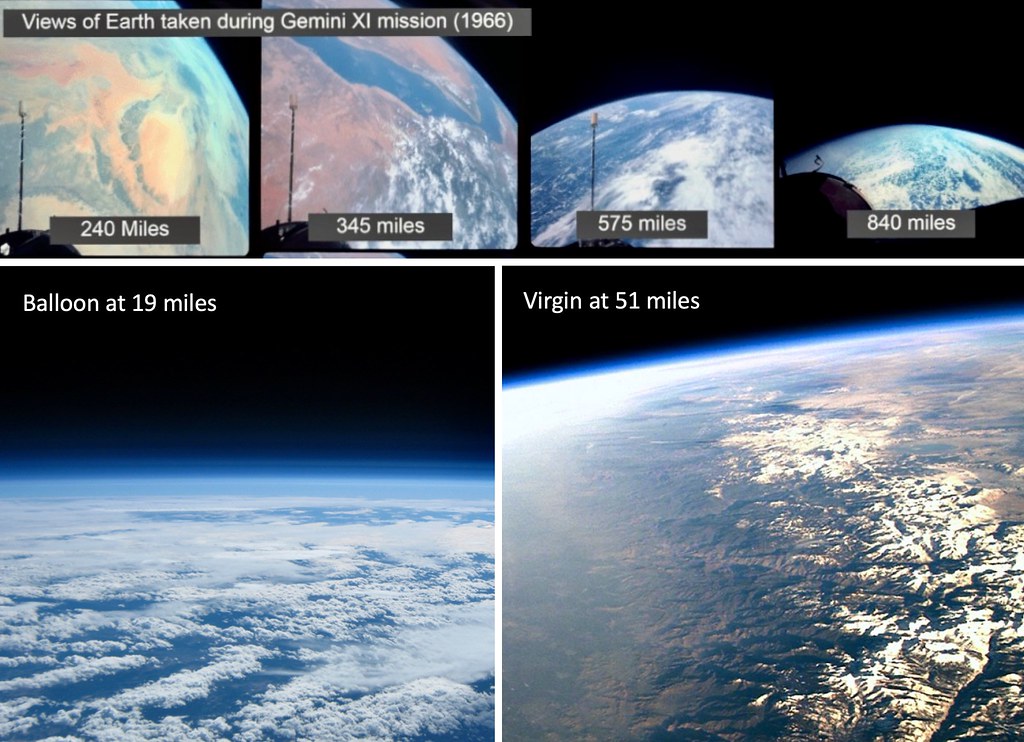
Although space tourism itself remains distinct and generally high-cost, it contributes to the broader cultural fascination with space travel that fuels astrotourism interest. For U.S. young travelers, the concept of venturing beyond Earth informs their travel aspirations, even as commercial suborbital and orbital trips remain largely aspirational and not yet widely accessible or integrated into mainstream travel.
Traveler Considerations and Market Outlook
Gen Z travelers in the U.S. demonstrate demand for travel experiences that combine discovery, education, and entertainment, with
astrotourism fitting neatly into this paradigm. While developments in product offerings and destination marketing continue, the precise scale and economic impact of this trend are yet to be fully quantified. However, it signals a continued diversification of travel motivations among young Americans in 2026.