Recent Surge in Flight Disruptions at San Francisco International Airport
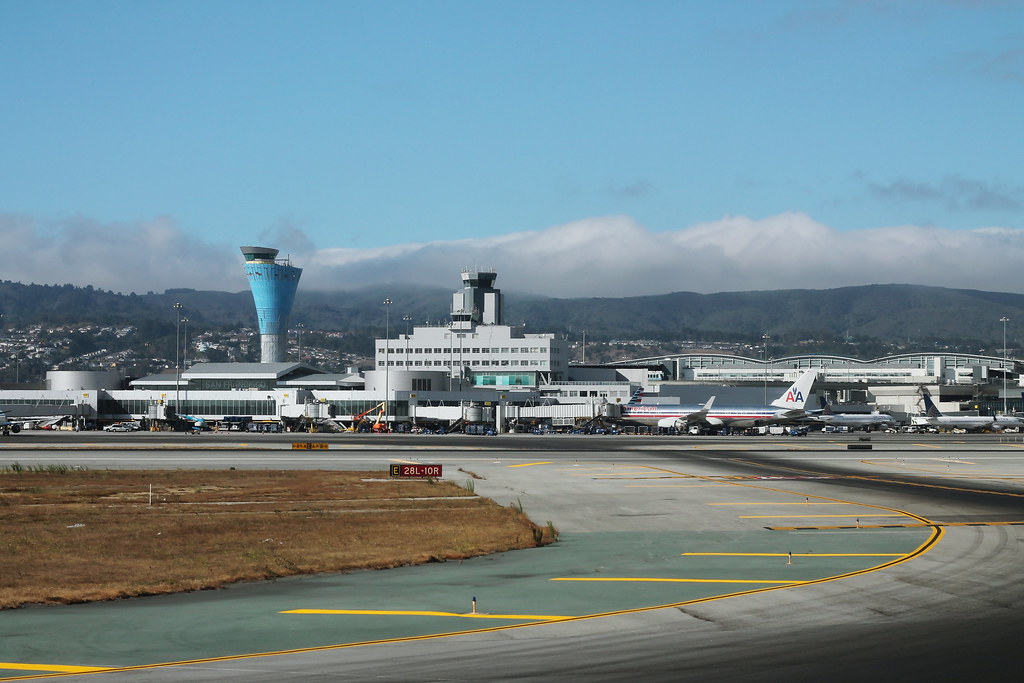
San Francisco International Airport (SFO) has recently experienced a high volume of flight disturbances, with nearly 200 flight delays and cancellations reported. The disruptions have affected several major carriers operating both domestic and international flights, including United Airlines, SkyWest, Delta Air Lines, Singapore Airlines, Aer Lingus, and Air New Zealand.
While the precise causes of the disruptions have not been disclosed, the scale of impact has been significant, prompting adjustments to passenger itineraries and airline scheduling strategies across the airport’s diverse flight network.
Airlines and Routes Most Impacted by Delays and Cancellations
Among the U.S. carriers, United Airlines and regional operator SkyWest have been notably affected by the operational
challenges. In addition, Delta Air Lines has reported delays that are affecting its flight schedules at SFO. The airport’s role as a hub for international traffic means that several global carriers, such as Singapore Airlines, Aer Lingus, and Air New Zealand, have also faced delays on their routes originating from or connecting through San Francisco.
This combination of domestic and international flight disturbances underscores the wide-reaching nature of the operational issues at SFO, impacting both short-haul and long-haul travelers.
Passenger Impact and Travel Experience Considerations
Travelers transiting through or departing from San Francisco International Airport should prepare for potential itinerary disruptions. Passengers may encounter longer wait
times at terminals, missed connections, and changes to scheduled departure or arrival times.
The congestion resulting from these delays can increase stress levels for airport users and requires proactive planning to accommodate added buffer times. Additionally, airline staffing and gate availability may also be strained during this period, further influencing passenger experience.
Practical Steps for Travelers Navigating SFO Disruptions
Travelers scheduled to fly through SFO are advised to take several precautionary measures to mitigate the impact of current delays:
Regularly check official airline communications and airport flight status boards for real-time updates. Confirm flight details well in advance of travel to detect any schedule modifications. Allow increased transit time between connections, especially when switching from domestic to international flights. Consider enrolling in airline alert services for immediate
notifications regarding changes. Prepare for longer waits at airport checkpoints and boarding areas, factoring this into overall travel timing.
What Travelers Should Monitor Going Forward
Due to the evolving nature of flight operations at San Francisco International Airport, travelers should stay attentive to updates from their respective carriers. Coordination between airlines and airport authorities may bring adjustments aimed at reducing delays, but no definitive plans have been made public.
Passengers are encouraged to also monitor weather conditions and any airport announcements, as these factors often influence operational performance at large hubs like SFO.
For those planning trips through San Francisco, flexibility and preparedness remain key. By
staying informed and adopting proactive travel strategies, passengers can better navigate the current disruption landscape and reduce the impact on their travel schedules.