Jet Fuel Price Surge Reshaping Airline Operations
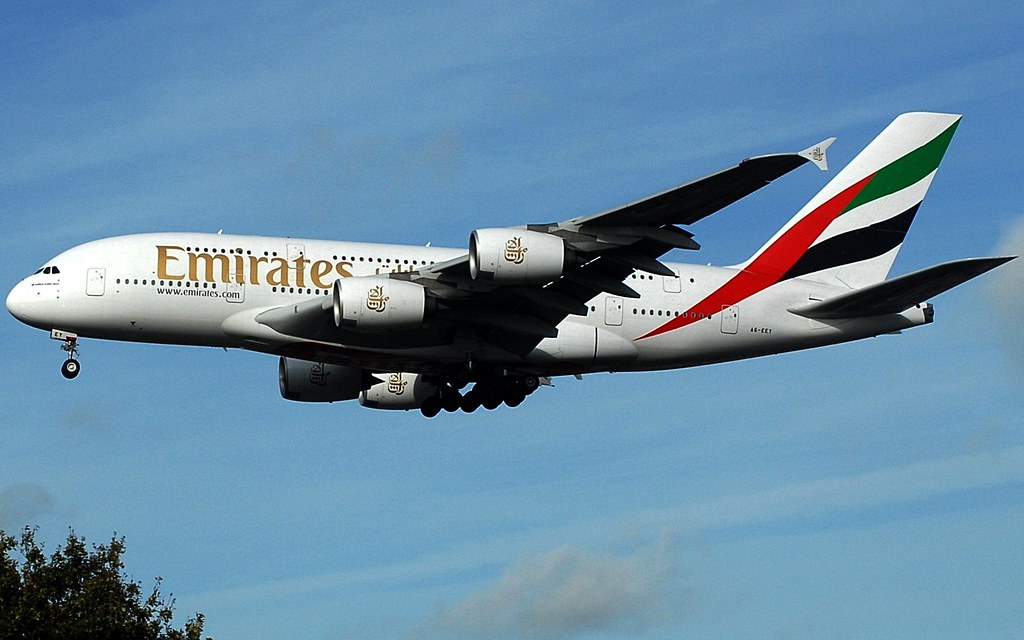
Jet fuel prices have surged beyond the $100 per barrel mark recently, marking a significant shift for airlines worldwide. This increase has intensified operating costs, challenging carriers’ ability to maintain profitability on less lucrative routes. Prominent airlines across the globe, including British Airways, Emirates, and several U.S. carriers, have begun responding with targeted route cuts and stricter flight management policies. The trend reflects a broader effort to recalibrate capacity and optimally route aircraft in the face of soaring fuel expenses.
While the exact scope of route cancellations is not fully disclosed, this adjustment signals a strategic shift aiming to preserve
financial health. Airlines are balancing operational efficiency against passenger demand, particularly focusing on higher-yield markets and essential long-haul connections.
Flight Cancellations and Tighter Scheduling Rules
Alongside route cuts, several airlines have implemented tighter rules governing flight schedules and cancellations. This affects both domestic and international operations, with some carriers suspending less profitable or seasonal flights. Such decisions directly impact U.S. travelers, who may encounter more frequent and unpredictable changes to their itineraries.
These cancellations do not appear to follow a fixed pattern, and travelers should anticipate potential last-minute adjustments especially on transatlantic flights and long-haul journeys where fuel consumption weighs heavily on costs. Airlines are also
reportedly exercising more conservatism on aircraft utilization, focusing efforts on flights with stronger demand profiles.
Implications for U.S. Travelers and European Travel
For American travelers, the ripple effects of rising jet fuel prices are most apparent in international travel plans, particularly those involving Europe. With key carriers limiting or dropping specific long-haul routes, passengers might find fewer options and less flexibility. This could translate to higher fare prices and less convenient scheduling options, especially during peak travel seasons.
Travel policies are also evolving as airlines seek to optimize load factors and minimize fuel consumption. U.S. travelers may encounter stricter ticket conditions or reduced availability in premium cabins
on certain routes. Planning ahead and maintaining flexibility in travel arrangements is becoming increasingly important.
Traveler Considerations Amid Volatile Fuel Prices
Given the ongoing volatility in jet fuel costs and its clear influence on airline route networks and flight reliability, travelers should proactively monitor flight status and airline announcements. Booking directly with carriers can often provide more immediate updates and access to customer service regarding disruptions or rescheduling.
Passengers aiming for European destinations or other long-haul travel should also consider travel insurance policies that cover cancellations resulting from airline operational changes. Staying informed via airline newsletters and official communication channels will be crucial to navigating this
period of shifting air travel dynamics.
As the market continues to adapt, travelers will likely face a landscape marked by more selective route offerings and possible itinerary adjustments. Being prepared and flexible remains the best strategy for minimizing disruption.
The surge in jet fuel prices makes it clear that airlines are carefully managing their route portfolios and scheduling to cope with rising costs, with observable consequences for American and international travelers. Observing airlines’ evolving responses in the coming months will be key for those planning flights, particularly on transatlantic and long-range journeys.