Flight Disruptions Continue Across Key US Airports
The first half of 2026 has seen significant operational disruptions manifesting in flight delays and cancellations at major U.S. airports, including Newark Liberty International, Austin-Bergstrom, and Minneapolis-St. Paul. Travelers flying with airlines such as Southwest, United, American, Delta, and JetBlue have reported extensive waiting times and scheduling uncertainties amid these ongoing challenges.
These disruptions are particularly notable given the scale of passenger traffic at these hubs, which remain critical nodes in the national air transport network. The broad impact across multiple carriers underlines systemic issues rather than isolated incidents.
Underlying Technology and Operational Challenges
Industry observers note that the delays and cancellations are symptomatic of
deeper vulnerabilities in airline and airport technology systems. While specific details about technological failures are limited, existing reports point toward difficulties in managing flight operations and ground handling processes efficiently at high-demand airports.
Many aviation technology components, including scheduling software, air traffic control interfaces, and real-time operational communication systems, are under strain. These factors exacerbate the risk of large-scale disruptions during peak travel periods, challenging airlines’ ability to maintain timely departures and arrivals.
Impact on Travelers and Seasonal Considerations
American travelers should remain prepared for potential delays throughout 2026, especially when passing through prominent hubs like Austin-Bergstrom, Newark Liberty, and Minneapolis-St. Paul. The combination of high
passenger volumes and technical constraints could influence travel plans and connections.
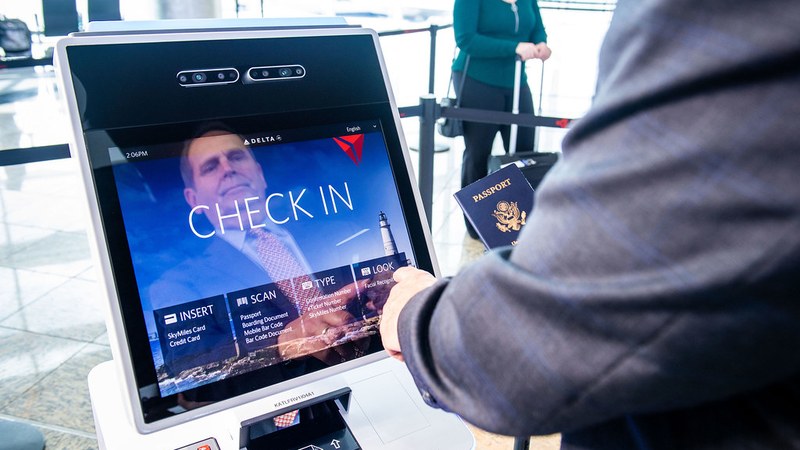
It is advisable for passengers to stay informed through official airline communications and airport channels, build extra time into their itineraries, and consider flexible ticket options where possible. Early check-ins and proactive engagement with airline customer service may help mitigate some of the frustration caused by sudden schedule changes.
Airline Responses and Industry Outlook
Major airlines affected by these disruptions have acknowledged the operational challenges and are working toward solutions that include system updates and procedural improvements. Although these efforts may help stabilize operations over time, the complexity of coordinating flights, staff, and airport
infrastructure remains a critical hurdle.
Moving forward, addressing the persistent issues surrounding aviation technology integration and operational execution will be essential to restoring reliability at these major US hubs. As the travel industry continues to recover and expand, aviation stakeholders are under renewed pressure to enhance system resilience.
While the path to smoother operations is still under development, travelers and industry professionals alike are watching closely as airports and airlines adapt to ongoing technical and logistical demands in 2026.