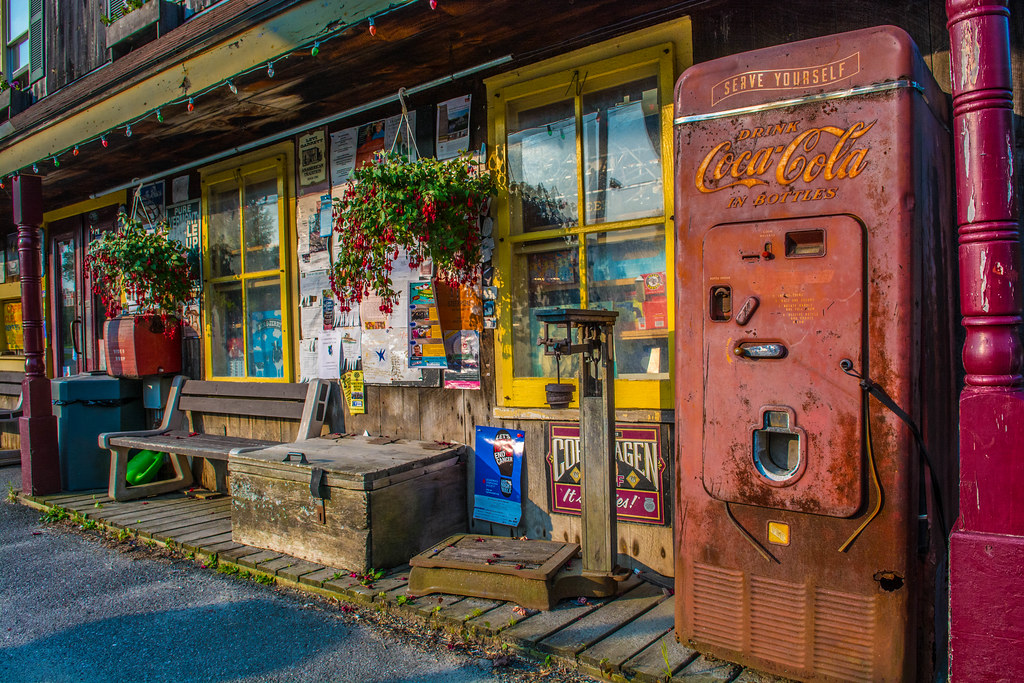
Vermont Launches Its First Comprehensive Tourism Plan
Vermont has introduced its inaugural statewide tourism strategy marking a significant step for the Green Mountain State’s approach to travel promotion. This pioneering plan aims to coordinate efforts across regions and stakeholders to better position Vermont as a compelling destination for American travelers and regional visitors.
The initiative comes at a time when regional travel experiences are evolving, and interest in destinations like Vermont is growing. Emphasizing the state’s distinctive scenic attractions and small town charm, the new strategy is intended to address long-standing challenges related to destination awareness and visitor engagement.
Marketing Budget Constraints Surface as Key Barrier
A critical observation within Vermont’s first tourism plan
is the inadequacy of the current state marketing budget to sufficiently promote its tourism assets and fully realize growth opportunities. While detailed fiscal figures are not disclosed, the funding shortfall is characterized as a limiting factor in amplifying Vermont’s visibility in key travel markets.
This budgetary gap could affect the scope and reach of future promotional campaigns targeting American visitors and regional travelers who play a central role in the state’s tourism economy. Sufficient investment is needed to compete with neighboring states that have well-established marketing frameworks supporting their visitor economies.
Implications for Regional Travel Patterns and Visitor Engagement
With regional and domestic travel patterns still adapting in
a post-pandemic landscape, Vermont’s tourism plan underscores opportunities to leverage its natural and cultural attractions to attract more guests. However, the limited marketing outlay may restrain outreach effectiveness at a time when competition among U.S. destinations is intensifying.
Enhanced promotion is essential for creating awareness that encourages longer stays and more diverse visitor experiences across Vermont’s rural towns and natural settings. Without an optimized marketing budget, these efforts may not reach their full potential to draw sustained visitation growth.
Impact on Vermont’s Tourism Industry and Business Community
The tourism sector in Vermont, spanning lodgings, local attractions, dining, and visitor services, stands to be directly influenced by how effectively
the new plan tackles marketing gaps. Insufficient advertising resources could hinder the industry’s ability to capitalize on rising demand, limiting economic benefits for businesses reliant on travel spending.
Tourism businesses may need to adjust expectations about immediate visitation increases tied to the strategy’s rollout, particularly if state budget allocations remain constrained. Innovative partnerships and private sector collaboration might become more critical as stakeholders seek to supplement public marketing efforts.
American Traveler Experience and Outlook
For American visitors, the evolving marketing approach may gradually influence how Vermont is positioned as a destination in travel planning conversations. As awareness builds through targeted campaigns, travelers could gain greater
insight into the state’s offerings, including scenic landscapes, seasonal foliage, and the appeal of its small towns.
While marketing budget challenges may delay rapid increases in promotional activities, concepts within the plan emphasize sustaining Vermont’s authentic appeal and ensuring meaningful visitor experiences. This focus supports long-term destination loyalty even as marketing investments seek to catch up with demand.
Next Steps for Vermont Tourism Promotion
Moving forward, the effectiveness of Vermont’s tourism plan will depend significantly on addressing funding shortfalls and enhancing collaborative efforts among public and private stakeholders. The plan’s foundational framework sets a course for a more unified tourism ecosystem, but realizing its goals will
require strategic resource allocation.
Industry observers and community leaders will be watching closely to see how Vermont balances funding limitations with the growing expectations of visitors and the travel industry. As Vermont crafts its niche amid regional competition, overcoming marketing budget constraints will be pivotal in sustaining and expanding its tourism footprint.