Widespread Flight Service Disruptions at Major Hubs
This summer of 2026 has seen a notable increase in flight delays and cancellations across a number of major U.S. airports, with Atlanta, Los Angeles, and Chicago among the most affected. These disruptions have impacted operations at these key hubs, influencing thousands of domestic and international itineraries.
Industry reports indicate that several airlines, including Delta Air Lines, American Airlines, United Airlines, and JetBlue, have experienced operational setbacks. The result has been hundreds of flights delayed or canceled across these airports, which serve as critical nodes in the national air transportation system.
Contributing Factors Behind The Summer Travel Challenges
While specifics regarding operational causes remain limited, airline and
airport sources cite weather conditions and increased airspace congestion as primary drivers. The summer months traditionally bring heightened travel demand, compounding scheduling complexities during periods of inclement weather or technical constraints within controlled airspace.
Los Angeles International Airport has reported significant congestion issues, especially during peak travel times, contributing to ripple effects throughout the U.S. flight network. Similarly, Atlanta’s Hartsfield-Jackson remains heavily burdened with an increased volume of passengers and flights, exacerbating delays and cancellations.
Passenger Experience at Atlanta, Los Angeles, and Chicago
Travelers planning trips through these airports should anticipate additional time for check-in, security, and potential gate changes given ongoing operational challenges. Reports of extended wait
times and rebookings are prevalent, underscoring the importance of flexible travel arrangements this summer.
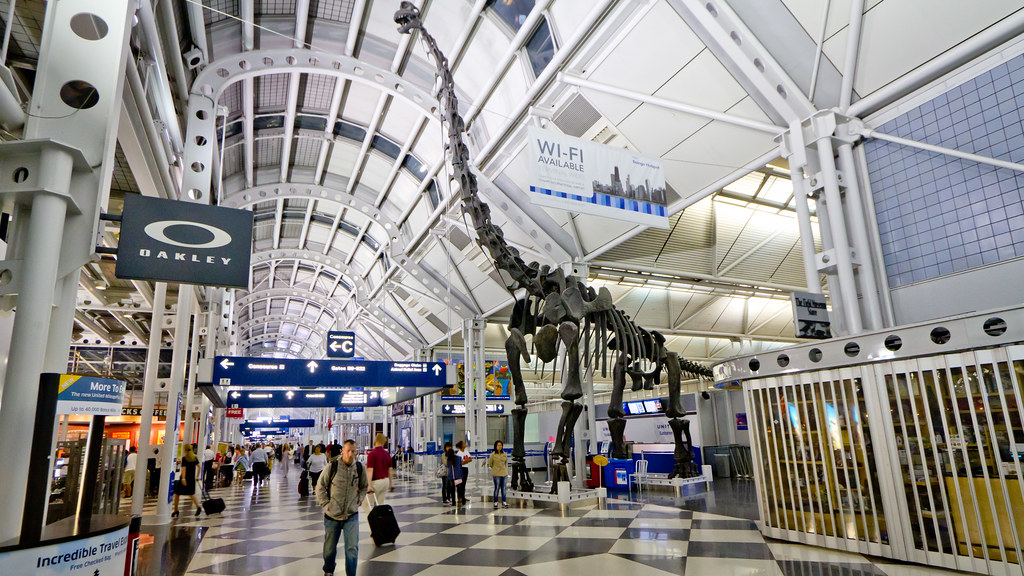
Chicago O’Hare, one of the nation’s busiest airports, has also seen its share of disruptions during this busy travel period. Delays have been reported both in departures and arrivals, affecting connecting flights and overall passenger flow within one of the country’s largest aviation hubs.
Airline and Airport Operational Responses
In response, airlines and airport authorities are implementing adjusted staffing and operational protocols to mitigate the impact on passengers. While the industry strives to restore smoother schedules, the volume and complexity of summer travel continue to challenge optimal performance.
Efforts include enhanced
communication with passengers regarding schedule updates and expanded customer service resources to assist with re-accommodations. Airports are also refining gate management and ground operations logistics to improve turnaround times where feasible.
Broader Impact on U.S. Travel and Tourism Economy
The ripple effects of these disruptions extend beyond individual passengers, influencing tourism operators, hotels, and ground transportation services who rely heavily on reliable air travel links. The summer 2026 travel season is critical for many regional economies dependent on visitor spending, and delays or cancellations can impact overall tourism satisfaction and planning.
Travel businesses are advised to monitor evolving airport conditions closely and adjust service provisions accordingly to accommodate
changes in passenger flow and demand patterns.
Outlook for Travelers in the Summer 2026 Period
American travelers are urged to factor in potential delays and cancellations when planning journeys involving Atlanta, Los Angeles, Chicago O’Hare, and other major hubs. Flexibility in travel dates and advance planning are advisable to minimize disruption.
Monitoring airline notifications and airport advisories will remain essential for those navigating this busy and disrupted summer travel environment.