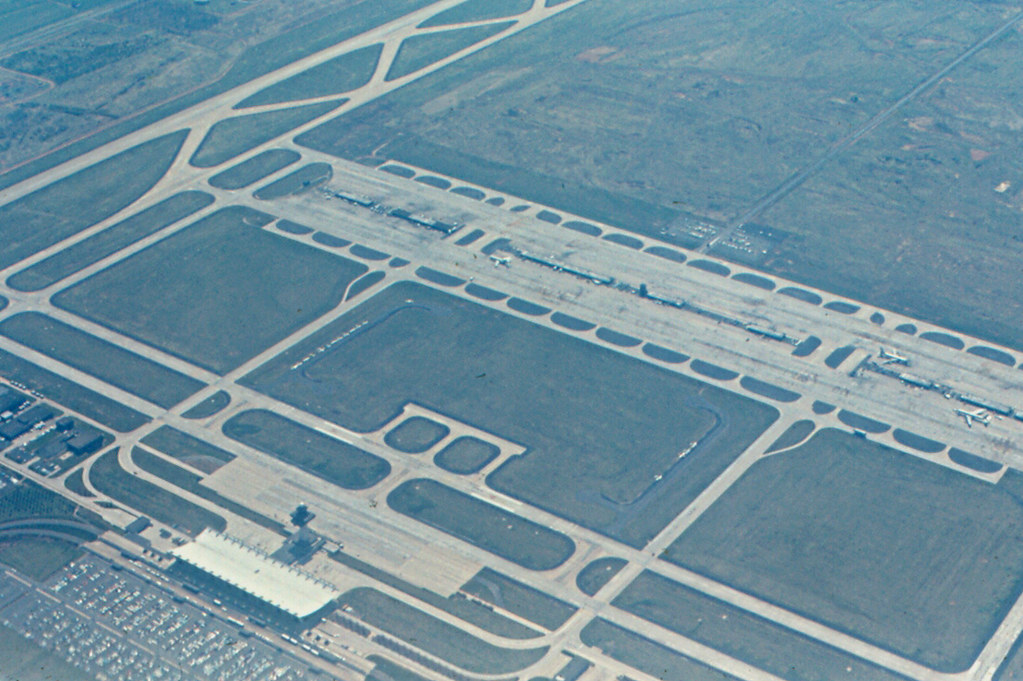
Widespread Delays at a Key International Gateway
Washington Dulles International Airport is currently experiencing significant disruptions, with dozens of flight delays impacting major U.S. and European routes. The disruptions at this critical hub have affected airlines including United Airlines, American Airlines, and Delta Air Lines. Travelers departing or connecting through Dulles should anticipate delays, particularly on routes serving domestic hubs such as New York and Chicago, as well as important international gateways like London and Frankfurt.
A substantial number of flights have been delayed, including those bound for cities that are key economic and tourism centers. These delays not only disrupt passenger itineraries but also have broader
implications for airline schedules and connecting flights, underscoring the importance of Dulles as a focal point in transatlantic and domestic air travel for U.S. travelers.
Airline Operations Feeling Pressure
The delays have notably affected flights operated by United Airlines, American Airlines, and Delta Air Lines. United and American Airlines flights departing for primary destinations such as New York, Chicago, and Miami have reported delays. Moreover, transatlantic flights to European cities, including London and Frankfurt, which are vital for both business and leisure travelers, are also among those impacted.
These disruptions at Dulles could cause cascading effects on flight operations, with delayed arrivals and departures
potentially influencing airline departure banks at other airports. While specific reasons for the delay remain undisclosed at this time, the disruptions highlight vulnerabilities in peak airport operations, particularly at international hubs handling a high volume of connecting traffic.
Traveler Implications Amid Delays
For U.S. travelers, the ongoing delays at Washington Dulles International Airport mean additional time on the ground, potential missed connections, and general disruption to travel plans. Passengers planning travel to or through Dulles should monitor flight status closely and allow for extra time when making connections to other flights or ground transportation.
The affected routes encompass a wide range of destinations, including
important transcontinental and transatlantic flights. Those traveling to London and Frankfurt may face particularly extended delays, which could impact onward travel arrangements, accommodation plans, and business commitments.
Given the airport’s role as a major gateway for international travel, especially between the United States and Europe, these delays have immediate implications for the volume of travelers seeking timely departures and arrivals. Airlines and airport authorities are expected to manage operational challenges carefully to minimize passenger discomfort.
Outlook and Passenger Recommendations
Though the precise causes of the current delays at Washington Dulles are not publicly specified, passengers affected by these disruptions should remain vigilant and consult
airline sources for the latest updates. Arriving early at the airport and verifying flight information through official channels can help mitigate the inconvenience caused by unexpected schedule changes.
Travelers connecting through Washington Dulles on flights to major U.S. hubs such as New York and Chicago, and those on international routes to London or Frankfurt, should prepare for potential adjustments. Flexibility remains crucial given the evolving nature of operational challenges faced by airlines at busy international airports.
Washington Dulles International continues to serve as a vital transport node linking the United States with the global market. Ongoing delays underscore the importance
of robust contingency measures and timely communication to navigate periods of operational stress.