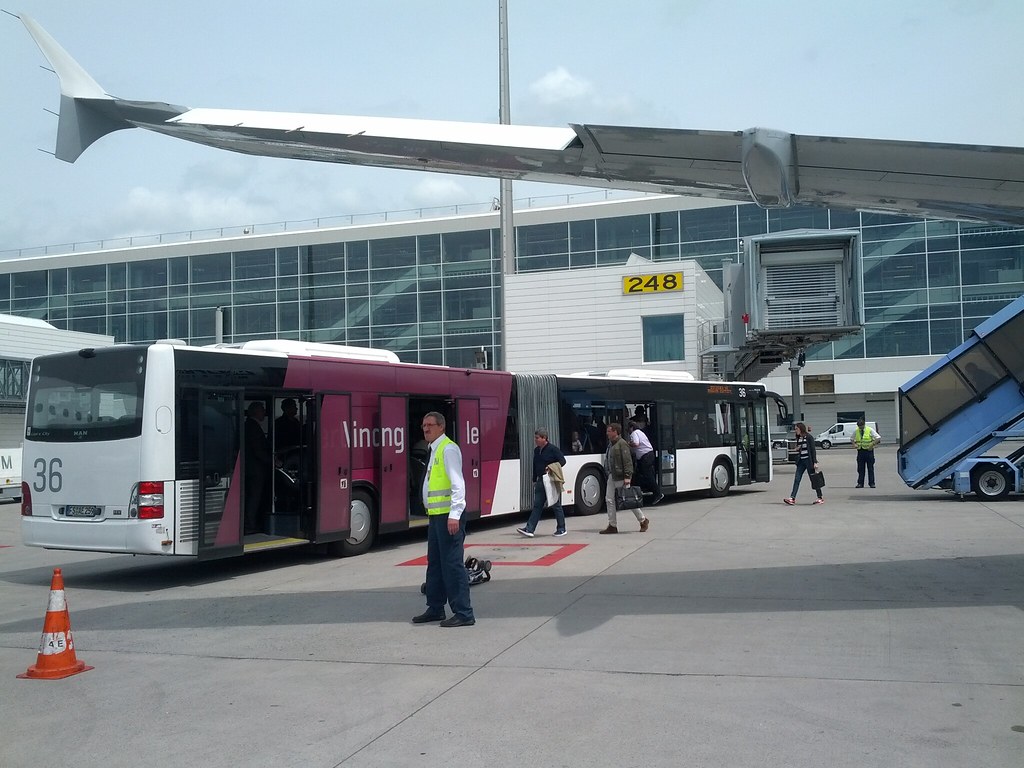
Disruptions at Major German Aviation Hubs Affect Transatlantic Traffic
Recent flight groundings by several key international carriers, including Lufthansa, United, Air Canada, and Air France, have triggered widespread delays and cancellations at Germany’s two primary air gateways: Munich and Frankfurt airports. These developments have considerable consequences for travelers flying between the U.S. and Europe, with many experiencing extended wait times and alterations to planned itineraries.
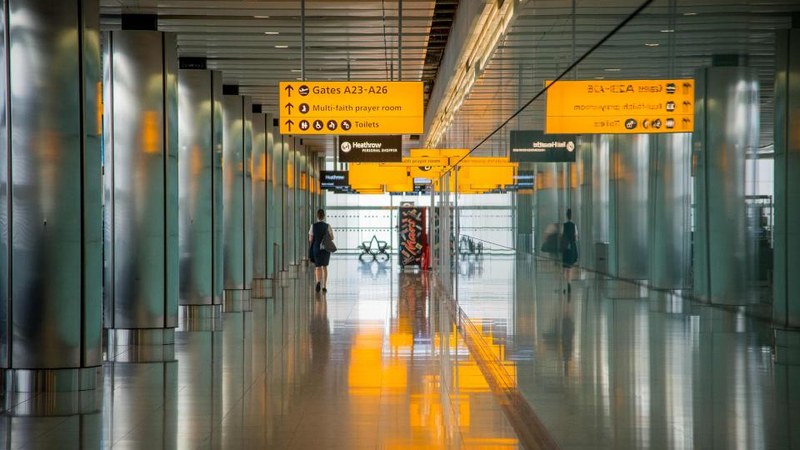
Both Munich and Frankfurt airports serve as pivotal connecting points for transatlantic flights and wider European travel, making these operational disruptions highly impactful for multinational routes. The effects ripple through scheduling, baggage handling, and airport ground services, creating significant bottlenecks.
Scope and Scale of Lufthansa Delays and Wider Airport Disruptions
Lufthansa, Germany’s flag carrier
and one of the largest airlines operating from these hubs, is at the center of these disturbances due to grounded flights and consequent scheduling adjustments. Similar constraints affect United and Air Canada as North American carriers relying on these hubs, alongside Air France, which maintains connections through these airports.
The combined impact has led to pronounced delays and cancellations, particularly at peak travel times, with both Munich and Frankfurt experiencing operational strain. The resulting congestion exacerbates waiting periods on runways and within terminals, intensifying traveler inconvenience.
American Passenger Experience amid Uncertain Flight Operations
For U.S. travelers, the disruptions translate into increased uncertainty for both direct flights and
those involving connecting segments via German hubs. Passengers are advised to anticipate potential delays, check their flight status frequently, and maintain communication with their airlines for real-time updates.
Travelers booked on Lufthansa, United, Air Canada, or Air France flights should consider alternative routing or flexible ticketing options where available. Airport officials have also reportedly increased ground support to assist affected passengers, but delays remain common.
Broader Aviation Implications and Operational Challenges
The ongoing disturbances highlight the operational challenges faced by major European airports when multiple large airlines simultaneously ground flights. This situation affects not only individual airlines but the overall efficiency of airport operations, including air
traffic control, gate assignments, and ground services.
As Munich and Frankfurt airports grapple with heightened congestion, the implications extend beyond flights themselves to influence baggage processing and passenger flow within terminals. The knock-on effect underscores the interconnected nature of global airline and airport systems—particularly at key transatlantic junctions.
Planning Ahead: Considerations for Travelers to and Through Germany
Travel experts recommend that U.S. travelers flying to or via Munich and Frankfurt maintain vigilance regarding flight status and prepare for last-minute changes. Early airport arrival and flexible travel plans may ease the inconvenience caused by such disruptions.
Additionally, travelers should monitor communications from airlines and airports, use airline mobile applications for
updates, and explore travel insurance options that cover delays and cancellations. Remaining informed can help mitigate the impact of ongoing German flight cancellations on international travel itineraries.
Conclusion: Navigating an Evolving Travel Landscape
The current wave of flight cancellations and delays at Munich and Frankfurt airports illustrates the vulnerability of complex air travel networks to operational interruptions affecting multiple carriers. For U.S. travelers, these disruptions represent a challenging travel environment requiring flexibility and proactive management.
While the full resolution timeline remains uncertain, staying informed and prepared is essential for those relying on these key European hubs to connect across the Atlantic.