Storms and FAA Caps Trigger Major Disruptions Across US Airports
Throughout this summer’s peak travel period, thousands of flights across the United States have been canceled or delayed. The combined impact of severe weather systems and Federal Aviation Administration (FAA) capacity restrictions at key hubs has intensified disruptions. Travelers heading to or through major airports are encountering significant schedule upheavals affecting numerous carriers.
Leading airlines including Delta, United, Southwest, and American Airlines have been particularly impacted. The magnitude of interruptions reflects a complex operational environment where weather and airspace limits intersect with very high seasonal demand.
Airports Most Affected and Carrier Challenges
Some of the busiest U.S. airports have experienced the brunt of these disruptions. Chicago
O’Hare, Denver International, Dallas/Fort Worth, and Atlanta Hartsfield-Jackson have all reported substantial delays and cancellations. These airports serve as major hubs for the airlines most affected, complicating rebooking and recovery efforts when delays cascade through the networks.
The carriers themselves have struggled to realign resources amid unpredictable storm activity and FAA-imposed limits on airport arrivals and departures. As a result, many flights operated by Delta, United, Southwest, and American have encountered delays that ripple through both domestic and connecting schedules.
Implications for Summer Holiday Travel
This disruption comes at a critical time when U.S. travelers are in peak holiday travel mode. Families, business travelers, and
tourists are facing unplanned layovers, missed connections, and altered itineraries. The high volume of flights canceled or delayed means that schedules once considered reliable are now vulnerable to rapid changes.
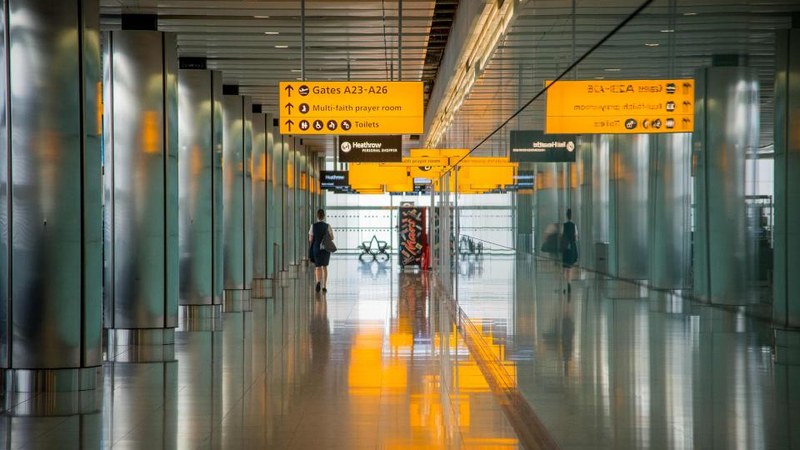
Passengers affected by the delays and cancellations often find themselves contending with congested terminals, longer wait times at rebooking counters, and challenges securing alternative transportation options. The situation underscores the fragility of summer travel during periods of adverse weather and regulatory constraints.
What Travelers Should Monitor Before and During Travel
Given the ongoing impact of weather and FAA capacity limitations during this busy travel season, travelers are advised to stay vigilant and informed. Key recommendations include:
Regularly checking flight status updates directly through airline apps or official airport websites. Arriving at the airport earlier than usual to accommodate potential delays in security screenings and
boarding. Considering flexible booking options and familiarizing themselves with airline policies on cancellations and rebooking. Monitoring weather forecasts along the travel route, especially for cities with major disruptions like Chicago, Denver, Dallas, and Atlanta. Preparing for extended time on the ground by packing essentials for comfort during unexpected waits.
Navigating Travel Amid Ongoing Challenges
While these disruptions present challenges, travelers can mitigate some inconvenience through proactive planning and awareness. Airlines and airports continue efforts to restore smooth operations, but the unpredictable nature of weather combined with FAA-imposed restrictions means disruptions remain a risk this summer.
Ultimately, those planning flights during this high-demand season should anticipate
a potentially uneven travel experience and prioritize flexibility. Staying informed, confirming flight status frequently, and preparing for alternate arrangements help foster more resilient travel plans despite these widespread U.S. flight cancellations and delays.