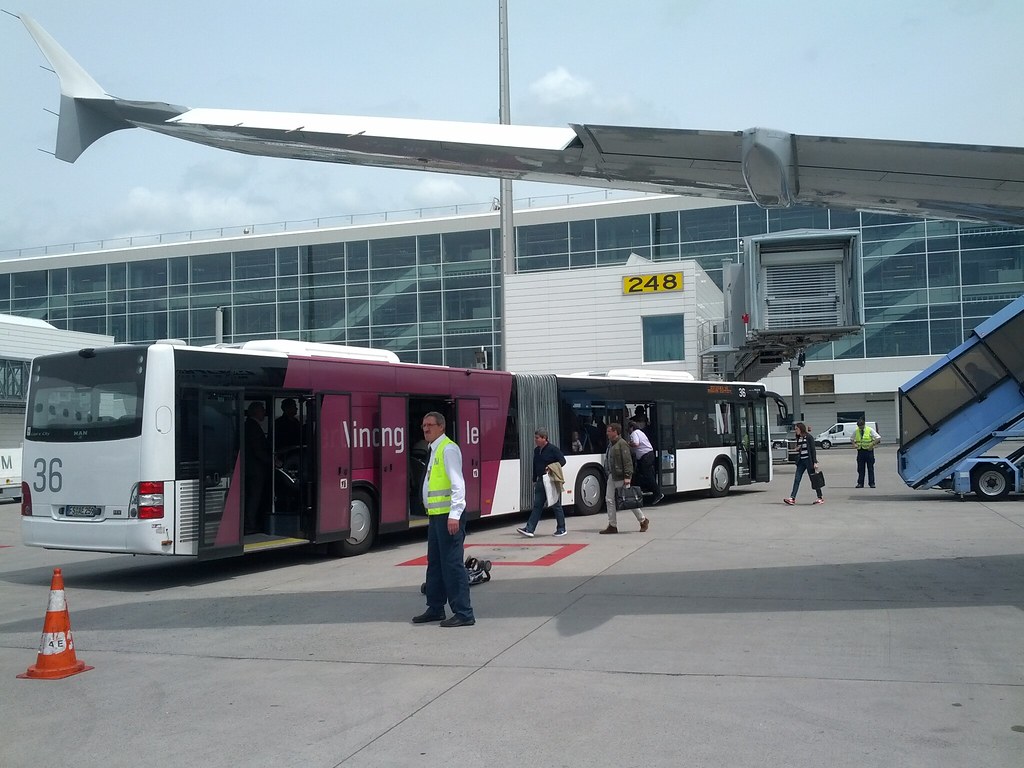
Understanding the Current Situation at Frankfurt and Munich Airports
Travelers planning European vacations in the summer of 2026 should be aware of ongoing disruptions impacting major hubs in Germany. Frankfurt and Munich airports have been reporting delays and cancellations throughout May 2026. These interruptions are linked to broader operational challenges associated with the European Entry System (EES) travel crisis, which has affected passenger processing volumes and ground handling efficiency.
Details on Flight Delays and Passenger Experiences
Flight delays across these airports have caused ripple effects affecting inbound and outbound flights. Travelers have faced longer wait times for security checks and immigration processing, contributing to schedule uncertainties. Anecdotal reports indicate that gate changes and last-minute rescheduling have
also been part of the current travel climate, particularly during peak travel days. While specific airlines or precise routes impacted remain unspecified, the general environment at these airports has visibly been disrupted.
Implications of the EES Travel Crisis on Operations
The European Entry System, intended to tighten security and streamline entry procedures into the Schengen Area, has inadvertently created bottlenecks at key airports. Increased documentation scrutiny and system integration issues have led to slower passenger throughput. Frankfurt and Munich serve as critical international gateways, and any slowdown impacts connecting services and the broader European travel network. This operational strain is reflected in the heightened flight delays during the
2026 summer season.
Impact on U.S. Travelers Heading to Europe
For U.S. travelers planning summer vacations to Europe, these disruptions suggest a need for contingency planning. Airlines and travel operators are expected to encourage passengers to allow extra time for connections and consider flexible ticket options. Rescheduling flights or opting for alternative departure airports may be necessary in some cases. Travelers should stay updated through airline communications and airport advisories to mitigate inconvenience caused by potential delays and interruptions.
Analyzing the Broader Repercussions for Transatlantic Travel
The ongoing situation at Frankfurt and Munich airports highlights the complexities of implementing new travel security systems amid high passenger volumes. For the transatlantic travel market, such disruptions
can influence booking patterns and traveler confidence during a pivotal summer season. Although the full timeline for resolution remains unclear, the current challenges emphasize the importance of agile operational management in major European hubs. Industry stakeholders may need to balance enhanced security measures with passenger flow efficiency to avoid prolonged impacts.