Delta’s New Policy on Complimentary Snacks
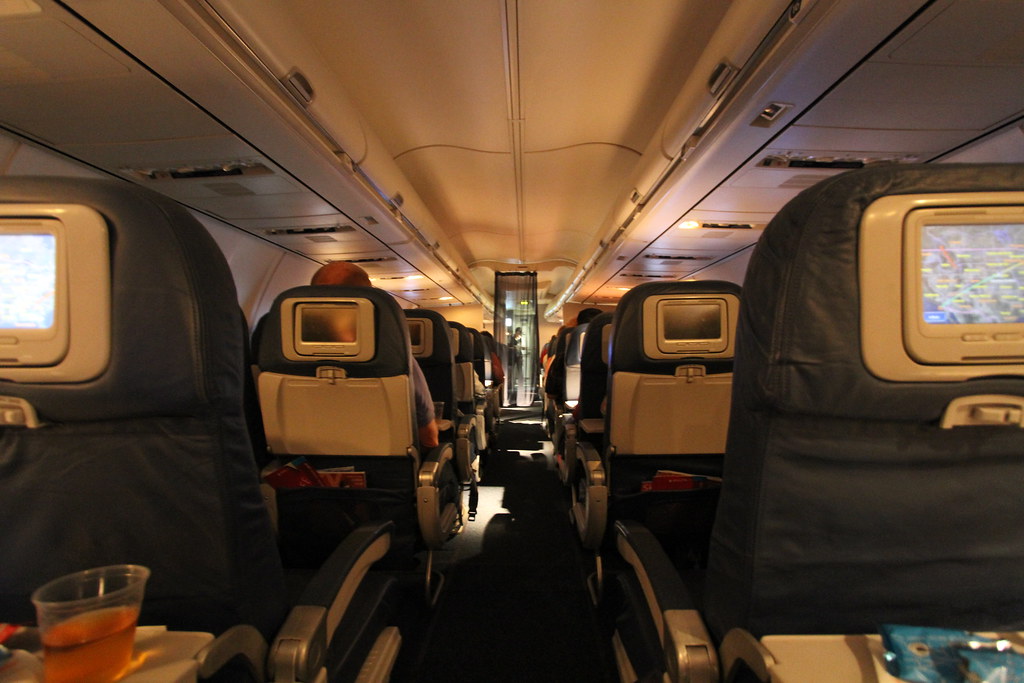
Delta Air Lines has recently announced a change in its inflight service policy, specifically concerning snack offerings on short domestic flights. According to the airline, the complimentary snack service on these shorter routes will no longer be available as of a specified date. This adjustment marks a notable shift in the onboard experience for many U.S. travelers who frequently fly shorter segments with the carrier.
While Delta remains one of the leading U.S. carriers in terms of passenger volume and route coverage, this service change aligns with a broader industry trend of reevaluating onboard amenities amidst fluctuating operational costs and
evolving customer expectations. Travelers now need to consider that snacks previously provided at no cost may require purchase moving forward.
Passenger Reactions and Online Discussions
The announcement triggered a wave of responses and debate on social media and various travel forums. Passengers have expressed a range of opinions, from disappointment to understanding of the airline’s operational adjustments.
Customer experience advocates and frequent flyers have particularly highlighted how these modifications impact the perceived value of short-haul flights. Some argue that the removal could affect passenger satisfaction levels, while others are assessing whether the change reflects necessary cost-cutting measures in a competitive market.
Ramifications for U.S. Travelers and Budgets
For travelers, especially those
flying domestically on short itineraries, the end of complimentary snack service introduces a direct impact on travel budgets. Without snacks included in the ticket price, passengers may be required to allocate extra funds for food purchases during these flights. This shift may alter trip planning for business and leisure travelers alike, particularly on journeys where timing or airport options limit meal opportunities.
Airlines often rely on ancillary revenue sources, such as onboard food and beverage sales. By removing free snack offerings, Delta may be positioning itself to strengthen this revenue stream. However, consumer response in terms of purchase behavior will
be an important factor in evaluating the long-term effectiveness of this strategy.
How This Change Fits Into the Broader U.S. Airline Passenger Experience
Adjustments in service provisions on short domestic routes are part of a wider evolution in the U.S. airline industry’s approach to passenger amenities. As carriers navigate fuel costs, staffing constraints, and shifting traveler preferences, changes such as these might become increasingly common.
Delta’s decision exemplifies a need to balance cost management with maintaining competitive service offerings. The move may inspire responses from rival airlines, potentially triggering a reassessment of onboard service standards across the sector.
Analytical Perspective: Why Delta’s Snack Service Removal Matters
This change is significant not only as a standalone policy update but also
as a reflection of how legacy U.S. airlines adapt to uncertain economic conditions and evolving passenger expectations. The removal of complimentary snacks raises questions about where airlines will focus enhancement efforts in the future, whether toward digital services, seating comfort, or other amenities.
Moreover, the decision impacts how passengers perceive value in air travel amid rising fares and ancillary fees. For travelers who prioritize convenience, such modifications may shape airline choice and satisfaction. Industry watchers will be assessing how Delta’s approach influences both customer loyalty and competitive dynamics over time.
Practical Guidance for Affected Travelers
Passengers planning short domestic flights on Delta should prepare for
the absence of free snacks by considering alternative options. Bringing personal snacks or budgeting for inflight purchases will be necessary for those wishing to avoid hunger during flights.
Awareness of this policy change can help travelers make informed decisions about flight options and expectations. Monitoring further announcements from Delta and other airlines may also provide insights into how in-flight service models continue to evolve in the U.S. market.