Hantavirus-Impact Cruise Ship Arrives at Rotterdam for Disinfection
A cruise ship with confirmed hantavirus presence recently docked at Rotterdam port, one of Europe’s key maritime hubs. The vessel was subjected to immediate disinfection efforts following the identification of the health concern onboard. Rotterdam authorities collaborated closely with cruise operators to implement sanitary protocols aimed at mitigating any potential spread while maintaining essential port functions.
This development has prompted a coordinated response among port health and safety agencies. The enhanced disinfection procedures included comprehensive surface sanitization and health inspections to ensure compliance with European cruise health measures.
Implications of Disinfection Protocols for Cruise Operations
The disinfection approach at Rotterdam represents a critical step in controlling contagion
risk on cruise vessels navigating European waters. While the port handled the situation with operational efficiency, cruise operators have been prompted to reassess onboard health safeguards and itinerary flexibility.
For itineraries that incorporate Rotterdam and surrounding European destinations, these protocols may result in extended port stays or adjustments to scheduled activities. These measures are designed primarily to safeguard passengers and crew while minimizing disruption across the broader network of ports and cruise terminals.
Health Precautions and Screening for U.S. Passengers
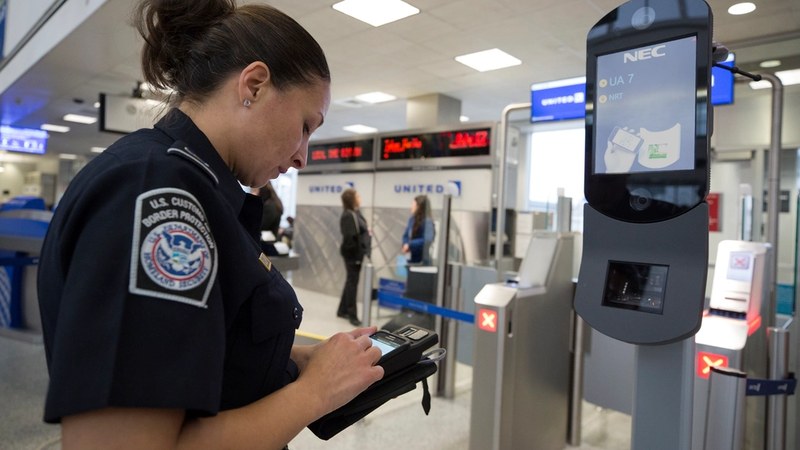
U.S. travelers embarking on cruises that include European stops such as Rotterdam should anticipate heightened health screenings as part of embarkation and transit procedures. Enhanced health measures
align with broader European cruise health policies aimed at early detection and containment of potential infections aboard cruise ships.
Passengers are advised to remain vigilant, adhere to any updated health advisories, and cooperate fully with health and cruise staff requests concerning symptom reporting and possible medical checks. These precautionary steps contribute to overall cruise safety and public health resilience.
Why This Situation Is Significant for the Cruise Industry
The hantavirus incident underscores the vulnerabilities cruise operations face concerning infectious diseases, even as the industry advances improved hygiene and health management frameworks. Rotterdam’s response offers a potential model for swift intervention when health breaches are identified, combining port authority resources
and international health guidelines.
The episode serves as a reminder that health risks remain a critical variable impacting passenger confidence and itinerary stability, especially within regions experiencing elevated public health vigilance. Proactive containment and transparent communication are likely to influence traveler perceptions and operational policies going forward.
What Travelers Should Expect Going Forward
For U.S. travelers planning ocean voyages involving European destinations, awareness of evolving health screening protocols and potential itinerary changes is essential. Maintaining flexible travel planning and staying updated with official cruise advisories will help mitigate travel disruption risks.
Passengers are encouraged to monitor communications from cruise lines and relevant health authorities as policies
continue to adapt dynamically following this outbreak. Responsible traveler behavior, including prompt reporting of symptoms and compliance with health measures, remains a cornerstone of maintaining safe cruise travel amidst ongoing global health challenges.