A power outage lasted 90 seconds at Network Rail’s Manchester Rail Operating Centre on Thursday, 6 August 2026 at 13:41 BST. The failure, caused by a power cut in East Manchester’s Harpurhey area, hit critical signalling and communication systems despite backup power being in place.
Impact on Signalling and Train Services
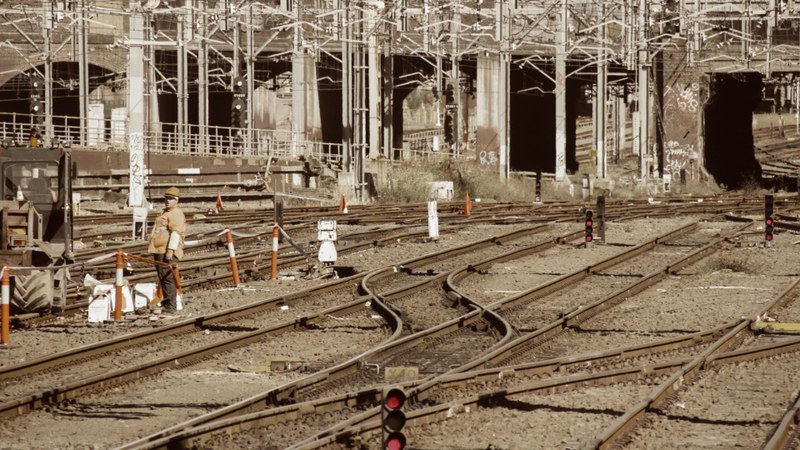
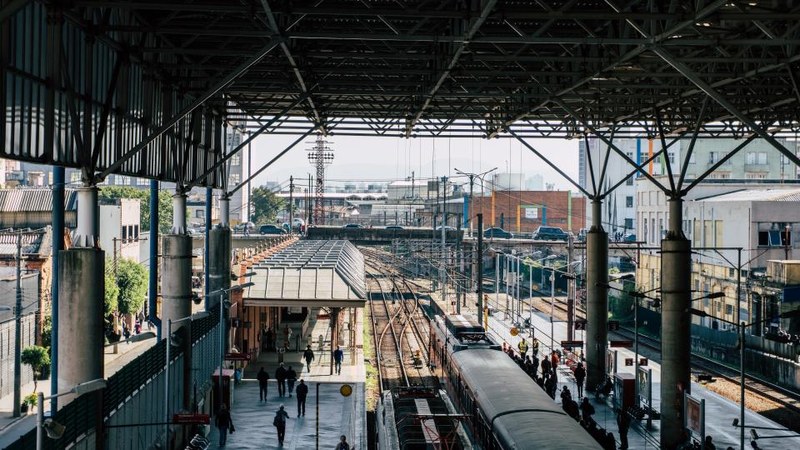
The signalling controls failed to respond correctly, forcing trains to stop as systems required rebooting. Damage to some signalling control equipment required replacement of parts. Services across Greater Manchester and North West England, including TransPennine Express routes, suffered widespread delays and cancellations due to the disruption.
Recovery Efforts and Service Restoration
Network Rail engineers worked overnight to restore signalling systems.
By the morning of 7 August 2026, most rail services in the North West were restored, but some TransPennine Express services remained affected. Passengers were advised to check travel information before journeys on 7 and 8 August due to residual impacts.
Official Responses and Commitments
Chris Wright, Network Rail North West Route Director, said the communications systems “did not respond how we would have expected, and then needed reconfiguring and replacing.” He added, “We’ve got to work really hard very quickly now to understand why that’s the case.” Network Rail apologized for the disruption, opened an investigation, and pledged to build additional resilience into
signalling systems to prevent repeat incidents.
Background and Context
Network Rail manages Britain’s rail infrastructure and is consolidating control into 12 Rail Operating Centres across Great Britain, including the Manchester centre managing much of the North West. SP Electricity North West confirmed that the power cut affected over 400 postcodes including the Network Rail centre. The centralisation creates concentration risk; as rail writer Christian Wolmar noted, “if one thing goes wrong, it can wipe out, as we saw, quite a lot of the network.”
Network Rail faces funding pressures, job cuts, and rising costs amid five-year government funding settlements. The current business plan
for 2024-29 includes £44.1 billion in funding, an increase of £3 billion from the previous five years. Rising costs and extreme weather events have further strained resources.
The organisation is scheduled for abolition and merger into Great British Railways in coming years as part of rail industry restructuring.
Remaining Uncertainties
Exact numbers of train cancellations and delays caused by the outage have not been disclosed. Detailed technical causes behind backup power system failures remain under investigation. No specific timeline for full recovery beyond the morning of 7 August has been publicly announced.