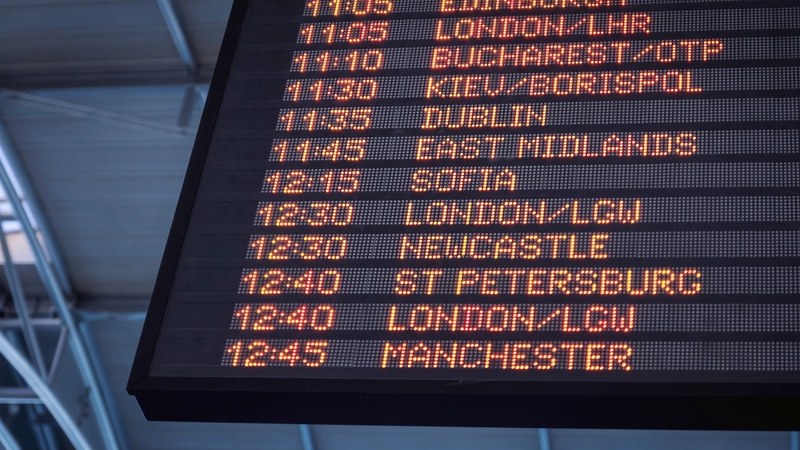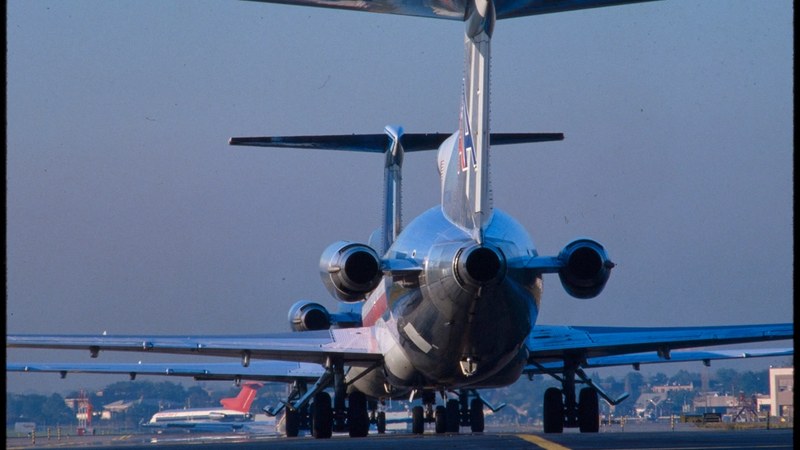
On September 16, 2026, the United States experienced widespread flight disruptions with over 868 flights delayed and at least 45 canceled, affecting numerous airports across the country, according to FlightAware’s public disruption tracker.
Weather Patterns Affect Multiple Airports
The Federal Aviation Administration (FAA) reported thunderstorms impacting Detroit, Fort Lauderdale, Miami, Phoenix, and Salt Lake City throughout the day. In addition, gusty winds were recorded at Las Vegas, while low cloud ceilings affected San Francisco. These weather conditions contributed significantly to operational challenges across the affected regions.
Cascade Effects Exacerbate Delays and Cancellations
Flight disruptions extended beyond initial weather impacts, causing missed connections, crew scheduling conflicts, and aircraft repositioning difficulties. Delays to
inbound flights reduced gate availability, forcing outbound departures to be held despite clear weather at their origin airports. Crew duty-time limits further complicated scheduling, leading to crew swaps or additional cancellations when replacements were unavailable.
FAA Implements Ground Delay Programs and Flight Hold Procedures
Ground delay programs were active at Seattle-Tacoma International Airport and San Diego International Airport to manage airport capacity and maintain safety amid the adverse conditions. New York’s LaGuardia Airport experienced general arrival and departure delays throughout the day. Flights were held for arrival metering programs and to control traffic volume under safety constraints at multiple locations.
Travelers Advised on Status Verification and Rights
With delays and cancellations evolving throughout the day, travelers
were advised to verify their flight status using both airline sources and FAA airport-status tools. Passengers faced risks of last-minute gate changes and equipment swaps. Early rebooking or alternative routing through unaffected hubs was suggested to reduce exposure to cascading delays. Documentation of delayed or canceled flights can help support claims for reimbursement or compensation.
The U.S. Department of Transportation continues to uphold passengers’ right to a refund when a flight is canceled and the offered alternatives are declined. Airlines’ compensation policies vary based on disruption cause, with weather-related constraints generally limiting options beyond rebooking. FAA initiatives aim to improve
schedule management and reduce systemwide disruptions in response to persistent operational challenges.