More than 250 additional flights were cancelled across UK airports in the days following 8 September 2026 due to a technical fault in the flight processing system operated by National Air Traffic Services (NATS), the country’s main air traffic control provider. The glitch on 8 September triggered over 1,000 cancellations and severe delays on that day alone by sharply reducing the safe aircraft handling capacity within British airspace.
Airports with Persistent Disruptions After Initial Fault
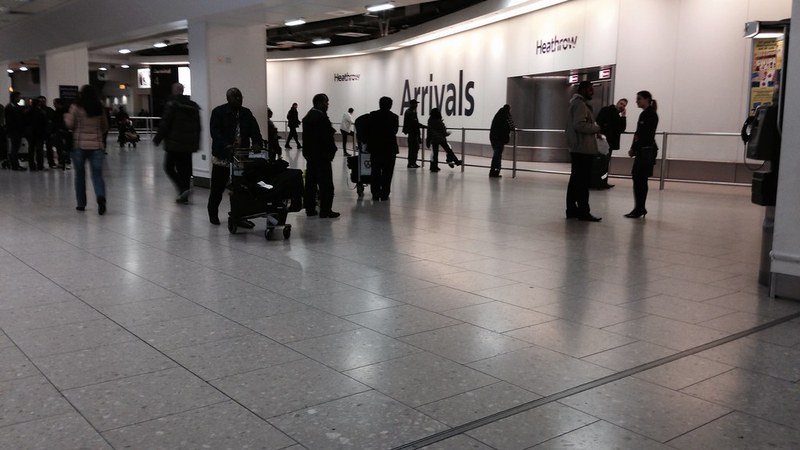
London Heathrow and London Gatwick airports faced the greatest impact, with imposed restrictions on departures and throttled arrival flows extending delays beyond 8 September. Regional UK airports including Manchester, Birmingham, Edinburgh and
Glasgow reported substantial residual cancellations and delays through midweek. Irish airports Dublin, Cork and Shannon also experienced knock-on disruptions, including significant cancellations and extended delays caused by delayed aircraft transit and crew repositioning issues.
Impact on Airlines and Passenger Numbers
British Airways cancelled or diverted over 100 flights following the system failure, affecting tens of thousands of passengers. Ryanair cancelled more than 50 flights, disrupting over 65,000 travelers. Gulf-based airlines serving long-haul routes from the Middle East, as well as North America, were forced to reroute some flights to avoid UK airspace congestion and experienced delays. FlightRadar24 data reported 1,300 cancellations on Tuesday (8 September) and
177 cancellations scheduled for Wednesday, illustrating continued operational challenges.
Technical Cause and System Limitations
NATS traced the disruption to a fault in its automated flight data processing software, which interprets and distributes flight plan information to controllers. To maintain safety, air traffic controllers imposed traffic volume restrictions that sharply limited the number of movements allowed in British airspace. Although the system was restored and validated on 8 September, capacity constraints prolonged delays and forced airlines to adjust schedules extensively through the week.
Official Reactions and Industry Responses
NATS acknowledged the complex recovery and issued an unreserved apology, stating: “Work is continuing to assist airlines and airports recover from today’s disruption,”
and added it expected the aviation network would take time to regain normal function. Ryanair’s Chief Operating Officer Neal McMahon called for the replacement of NATS CEO Martin Rolfe, demanding government intervention due to repeated failures. British Transport Secretary Heidi Alexander sought assurances that lessons would be learned and system resilience improved. The UK Civil Aviation Authority emphasized the necessity of clearer communication and improved coordination between airlines and airports during such systemic failures.
Thousands of passengers have faced cancellations, severe delays, and missed connections requiring overnight hotel stays or extended waits for rebooking. Passengers reported long queues and inconsistent
airline support, despite UK and EU regulations mandating airlines provide meals, refreshments, and accommodation when stranded, regardless of disruption origin. However, fixed monetary compensation is typically not payable by airlines for cancellations caused by air traffic control failures deemed extraordinary circumstances.
This is the second significant NATS flight data system outage within three years, following a 2023 fault that disrupted hundreds of flights and affected approximately 700,000 passengers. After the 2023 incident, regulatory reviews recommended enhanced contingency planning and communication, priorities under renewed scrutiny in light of the latest failure. Industry experts highlight the need for modernization and resilience improvements
in UK air traffic control infrastructure to reduce vulnerability to future disruptions.