More than 2,100 flights were delayed and 89 cancelled across European airports on October 6, 2026, extending a crisis rooted in an indefinite ground handling strike at Barcelona El Prat Airport. The disruption directly affected over 400,000 passengers at airports that day, with cascading delays impacting more than 800,000 travelers across the continent.
Barcelona Ground Handling Strike Causes Widespread Disruption
The ongoing strike by Groundforce workers, which began on August 4, 2026, remains unresolved with no announced end date. The walkout affects critical ground handling services at Barcelona El Prat, including passenger check-in, boarding processes, baggage handling, and flight coordination. Groundforce operates as an independent contractor, complicating
liability and compensation issues.
Cascading Delays Spread to Major European Hubs
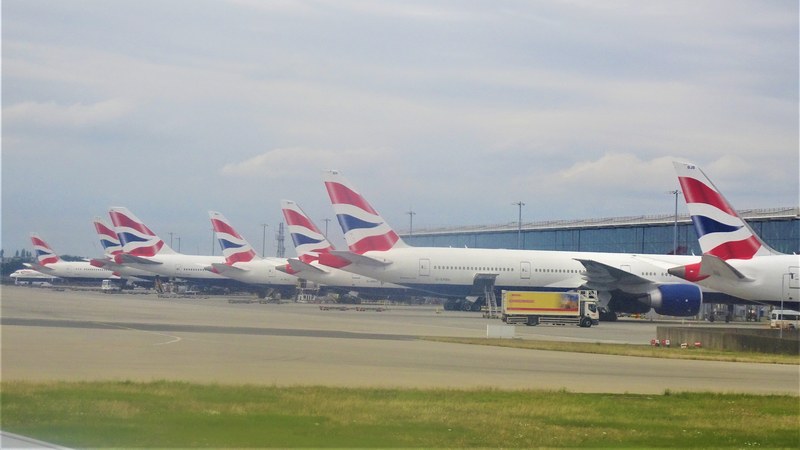
Delays originating at Barcelona have cascaded through key hubs such as Amsterdam Schiphol, Paris airports, Frankfurt, Madrid, and London Heathrow. The latter’s recovery from delays is notably slowed due to operational ripple effects stemming from Barcelona. Airlines report increased turnaround times of 40 to 50 percent on flights connected to the strike-affected hub, exacerbating scheduling disruptions across the network.
Airlines and Legal Complexities Amid Strike
More than 20 major airlines are affected, including Lufthansa, Air France, KLM, Air Europa, Qatar Airways, Turkish Airlines, United Airlines, Iberia, Vueling, Ryanair, Aer Lingus, British Airways, EasyJet, Swiss International, TAP Air Portugal, and SAS. The strike’s
impact on operations forces airlines to manage extensive delays and cancellations. Since Groundforce is an external contractor, airlines face legal challenges relating to EU flight compensation regulation EC 261, which mandates payouts between €250 and €600 depending on delay length or cancellation, despite liability disputes.
Passenger Impacts and Compensation Rights
The strike has caused a backlog of over 6,000 delayed or unclaimed bags. Passengers encounter expected delays of 60 to 90 minutes on flights involving Barcelona. EC 261 compensation rules apply, granting passengers up to €600 for cancellations or delays exceeding nine hours, although enforcement remains complex due to contractor status. Travelers are advised to
avoid Barcelona El Prat if possible and allow an additional 24 hours for connections involving the airport. The Spanish government has mandated minimum service levels during the strike: 80% for mainland-island flights, 58% for international routes, and 35% for short domestic trips.
Systemic Scheduling Vulnerabilities Exposed
The ongoing crisis highlights structural weaknesses in the European aviation network, which operates with extremely tight scheduling and minimal buffer times. Flights are scheduled back-to-back with little or no slack, so disruptions at a major hub like Barcelona propagate delays continent-wide. This tight network design, combined with limited redundancy, causes cascading operational paralysis affecting aircraft rotations, crew scheduling,
and passenger flows across multiple airports.