U.S. Domestic Travel Sets Stage for Growth in 2026
The U.S. domestic travel market is entering a dynamic phase marked by expanding air travel volumes and a notably increasing demand for premium airline tickets. This surge is contributing to record-breaking air ticket sales, reshaping how airlines approach their domestic operations in the year ahead.
Premium Ticket Demand: A Key Driver
One of the most defining characteristics of the 2026 travel landscape is the sustained increase in premium cabin bookings across leading U.S. carriers. Travelers seeking enhanced comfort, flexibility, and service options are driving this demand, influencing both pricing structures and cabin offerings on domestic routes.
How Airlines Are Responding to Market Changes
To accommodate this shift, airlines are adapting their route networks,
fleet utilization, and marketing strategies. Greater focus on premium cabins leads to modifications in aircraft cabin layouts and an emphasis on service quality, reflecting evolving passenger preferences and competitive positioning.
Route and Capacity Adjustments
Adjustments include the optimization of routes with higher premium traffic potential while also evaluating frequencies and aircraft types to better serve these segments. This strategy aims to balance capacity and profitability amid changing travel patterns.
Enhanced Passenger Experience Initiatives
Airlines are increasingly investing in elevating passenger experience, particularly for premium travelers. Enhancements span from upgraded lounges and priority boarding to improved in-flight services and connectivity, all intended to meet growing expectations.
Passenger Experience Trends in the 2026 Market
From check-in to
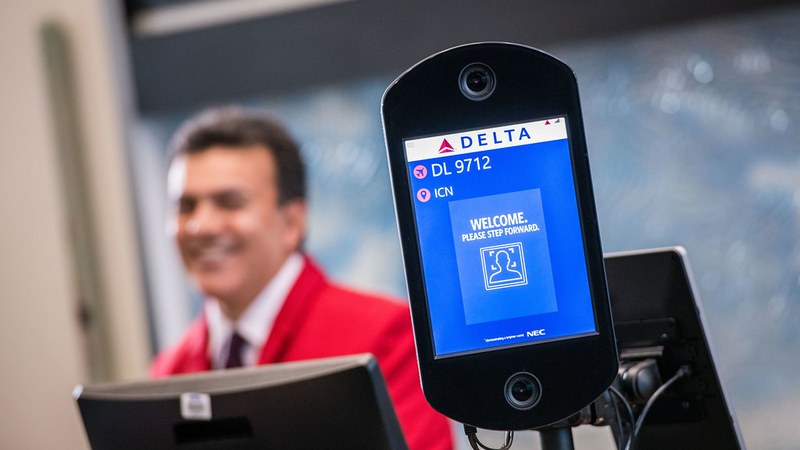
arrival, domestic travelers in 2026 should anticipate service shifts influenced by premium demand. Innovations in digital tools for seamless travel, coupled with tailored in-flight offerings, are becoming standard as airlines strive to differentiate their products.
Moreover, the widening gap between premium and basic economy offerings underscores the changing landscape of domestic air travel, potentially influencing traveler choices and satisfaction levels.
Broader Context: Domestic Travel Expansion in the U.S.
Contextually, the U.S. domestic travel expansion is part of a broader trend where investment and growth are concentrated on enhancing core infrastructure and route density in key hubs. This growth complements ongoing economic factors and travel demand recovery, highlighting the
resilience of domestic air travel despite global uncertainties.
The interplay between economic activity, leisure travel interests, and business mobility continues to stimulate demand, with premium segments notably leading the way in expenditure.
What Travelers Should Expect Moving Forward
Passengers can expect shifts in pricing strategies that reflect the premium demand trend, with potential impacts on availability and cost of various fare classes. Additionally, service enhancements and loyalty program perks tied to premium cabins could lead to heightened expectations across the board.
Travelers are advised to monitor airline announcements regarding route changes and service upgrades, as these will influence planning decisions and overall travel experience.
Implications for Industry Stakeholders
For airlines,
the evolving demand landscape presents both opportunities and challenges. Success hinges on effectively managing capacity, pricing, and service differentiation while maintaining operational efficiency. For airports and service providers, increased premium traffic brings heightened demand for specialized amenities and seamless ground services.
The overall market momentum suggests that stakeholders focusing on premium segment growth may find competitive advantages, provided they align offerings with shifting passenger preferences.