Overview of the 2026 Middle East Aviation Crisis
The aviation sector in the Middle East is currently experiencing significant operational challenges that have led to widespread travel disruptions in 2026. Major Gulf-based carriers such as Kuwait Airways, Air Arabia, and Royal Jordanian have faced numerous flight cancellations and delays amid the ongoing regional conflict. This turbulence in the air transport environment has created ripple effects for international travelers, including those from the United States, affecting itineraries and transit times.
Impact on Gulf Airlines and Flight Operations
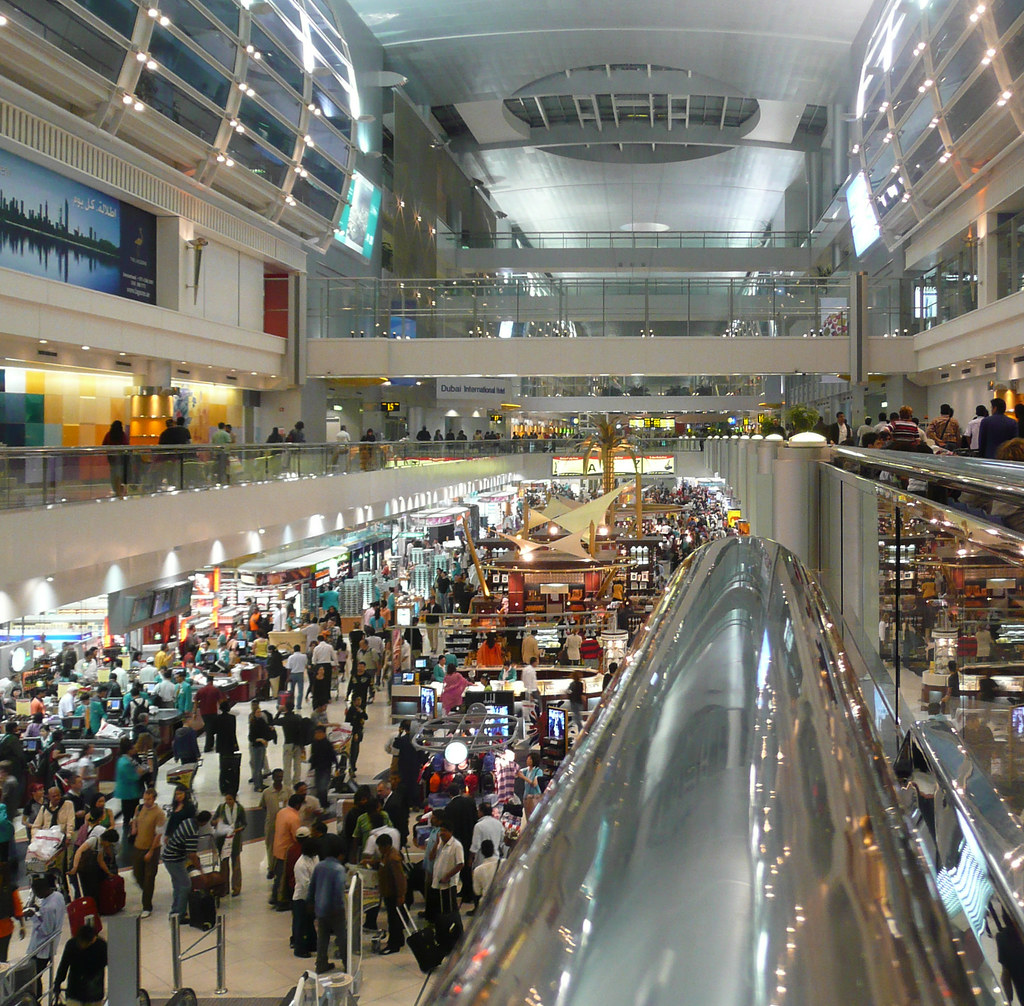
Airlines operating across the Gulf region are contending with multiple operational obstacles. Kuwait Airways, Air Arabia, and Royal Jordanian have reported cancellations on several routes, contributing to congested airport
terminals and a backlog in flight schedules. Delays have escalated due to both airspace restrictions and logistical complexities arising from the broader geopolitical situation. These disruptions have resulted in altered connection times and increased uncertainty around travel plans.
Travel Disruptions and U.S. Traveler Safety Concerns
For U.S. travelers planning to fly through or to the Middle East, the crisis presents distinct challenges. Flight cancellations and prolonged delays can lead to extended layovers and missed connections, complicating international itineraries. Additionally, the prevailing regional security environment heightens sensitivity around traveler safety, particularly when transiting through airports affected by conflict-related instability. Travelers are advised to remain vigilant and monitor airline
communications closely.
Broader Effects on International Tourism Flows
The ongoing flight interruptions are contributing to a shift in global tourism patterns involving the Middle East. Airlines’ operational disruptions deter some travelers from using traditional Gulf hubs for connecting flights, impacting passenger volumes and tourism revenue in the region. This interruption in air services may trigger temporary rerouting and redistribution of passenger flows toward alternative routes and destinations. The tourism sector linked to the Gulf aviation market is facing uncertainty amid fluctuating demand and service capabilities.
Implications for the Travel and Tourism Industry
The 2026 Middle East aviation crisis underscores the vulnerability of international air travel to geopolitical events. Airlines serving the region are
facing reputational and financial pressures as cancellations mount and schedules remain unstable. The broader tourism industry must adapt to changing operational landscapes, which may include revising marketing approaches and enhancing traveler support mechanisms. The crisis highlights the importance of contingency planning for carriers and travel service providers relying on Gulf transit points.
Looking Ahead
While the full duration and scope of the aviation disruptions remain uncertain, ongoing monitoring of the situation by airlines and regulatory bodies is essential. Strategies to mitigate delays and maintain traveler confidence will be critical as the region navigates the crisis. U.S. travelers, in particular, may need to
consider alternative routing options and remain informed on operational updates to minimize impacts on their travel plans.