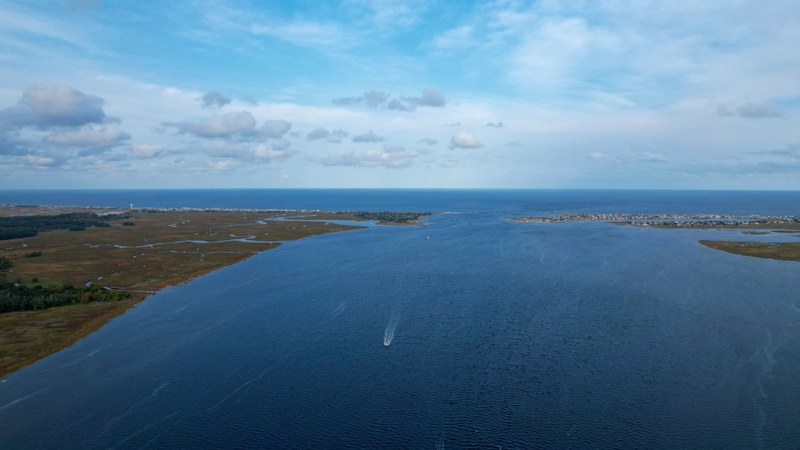
Severe drought and heatwaves across Europe in summer 2026 caused historically low water levels on major rivers, notably the Danube and Rhine, disrupting multiple river cruise itineraries.
Record-Low Water Levels Impact Danube and Rhine Rivers
The Danube River near Budapest in July 2026 reached its lowest water level since 1996, closely approaching the 2018 record low. In Romania, the Danube recorded its lowest level for three decades. The Rhine River’s depth fell to 53 centimeters near Frankfurt by late July and early August 2026.
The European Drought Observatory reported ‘alert’ severity drought conditions across Germany, Austria, Hungary, Romania, and the Balkans, intensified by climate change and El Niño
effects. These conditions have severely restricted safe navigation and docking for river cruise vessels.
Cruise Itinerary Disruptions Including Missed Stops and Ship Swaps
Uniworld’s SS Emilie, scheduled to sail from Vienna to Nuremberg on the Danube, could not proceed beyond Vilshofen, Germany, resulting in missed port calls at Deggendorf, Regensburg, and Nuremberg. Instead, the itinerary included a stop in Linz, Austria, and bus excursions into the Bavarian Forest and Regensburg from Vilshofen.
Passengers unable to continue to Nuremberg disembarked a day early, received €50 vouchers for dinner, and were accommodated in hotels with arranged airport transfers. Full-day bus excursions offered €30 meal vouchers to compensate for the lack of
return to the ship for lunch.
On the Rhine, Viking conducted a ship swap in June 2026 for its Amsterdam to Basel Rhine Getaway due to low water levels. Guests spent 24 hours on a ship docked in Koblenz before taking a five-hour bus transfer to Strasbourg to board an identical sister ship, preserving much of the itinerary despite disruptions.
TravelMarvel and other lines changed embarkation points by up to 60 miles to nearby ports and provided bus transfers for excursions traditionally accessed by ship docking in central cities.
Passenger Experiences and Industry Responses
Cruise Critic executive editor and SS Emilie passenger Chris Gray Faust
noted the disruption with multiple bus transfers and early disembarkation, stating, “I chose to do both bus trips. I’ll admit, while one bus trip is doable, multiple bus trips – one day after another – is not ideal.”
Emma Guse, a river cruise specialist at Travelmation, reported clients delaying embarkation from Budapest and traveling over 60 miles to alternative boarding locations with subsequent bus excursions, lamenting the loss of sailing into central historic cities.
Industry veteran Chris Pitchford, founder of World of Cruising, described 2026 as a worse-than-usual year with low water presenting intensified challenges. He emphasized the minimal cancellations
so far, crediting cruise lines’ operational adjustments such as itinerary changes and ship swaps for maintaining services.
Uniworld stressed its 50-plus years of experience and coordination with local authorities to adapt operations to changing river conditions. Viking highlighted continual monitoring by captains and positioning of sister ships in opposite directions to enable ship swaps and minimize passenger disruption.
Riviera Travel deployed head office staff onboard affected sailings and kept guests updated daily, reporting positive traveler feedback despite challenges.
Navigational Challenges and Travel Advice
Low river water limits docking capabilities, forcing reroutes, missed port calls, and use of land transfers during cruises. Paul Melinis, managing director
at TravelMarvel, advised travelers to maintain close communication with cruise operators due to the unpredictability of navigational conditions and stressed the need for operational flexibility with increasing extreme summer weather.
Jacqueline Mondelli, chief marketing officer at insurance platform Squaremouth, explained that cruise-specific insurance plans offer more comprehensive coverage for weather-related disruptions, including insufficient water levels, than standard travel insurance.