Understanding the 2026 Caribbean Hurricane Season Outlook
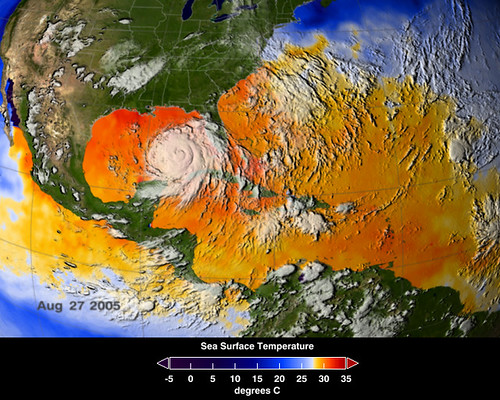
The Caribbean hurricane season in 2026 is anticipated to be an active period for weather disturbances impacting the region. While precise storm forecasts remain unavailable this far in advance, historical trends affirm the increased likelihood of tropical storms and hurricanes during the June to November window.
Travelers from the United States planning vacations or business trips to Caribbean destinations should be aware of the seasonal risks inherent during this time. Being informed about potential weather conditions helps mitigate disruption and optimizes the overall travel experience.
Key Considerations for Business Travelers in the Caribbean
Business visitors to Caribbean hubs face particular challenges during hurricane season. Meetings, conferences, and critical
deadlines may be affected by weather-related interruptions. Companies are advised to factor in contingency planning in their schedules and establish clear communication channels with local partners or venues.
Moreover, U.S. business travelers should monitor airline and hotel policies, as flexible cancellation or rebooking options tend to become more relevant during this period. Adaptability remains essential to maintaining productivity while prioritizing safety.
Travel Planning Strategies to Enhance Safety and Affordability
Effective travel planning during the 2026 hurricane season involves balancing safety concerns with cost considerations. Booking accommodations with robust cancellation policies can provide financial protection if weather events necessitate adjustments.
Researchers recommend travelers select destinations within the Caribbean that
historically experience less severe hurricane activity, or those with superior infrastructure for storm response and recovery.
For tourists, packing essential items such as weather-appropriate clothing, emergency contact information, and travel insurance coverage should be standard practice. Meanwhile, keeping travel itineraries flexible and maintaining awareness of official updates from regional meteorological agencies are prudent steps.
Impact on Caribbean Tourism Industry and Related Businesses
The 2026 hurricane season presents operational challenges for the Caribbean tourism sector. Hotels, resorts, and transport providers often ramp up weather preparedness measures to ensure guest safety and minimize service interruption.
The season’s activity can result in fluctuating travel demand, which may influence pricing dynamics. Some
destinations may offer promotional rates during heightened storm risk periods to attract visitors seeking affordability without compromising safety.
Travel agencies and tour operators are increasingly incorporating hurricane season advisories into their service offerings, assisting U.S. travelers with contingency-focused itineraries and up-to-date weather information.
Adapting Travel Approaches to Mitigate Risks
Staying informed through official sources such as the National Hurricane Center and regional weather services is critical for travelers heading to the Caribbean in 2026. Having a clear emergency action plan, including evacuation routes and shelter locations, enhances preparedness.
Travelers should consider securing comprehensive travel insurance policies that cover hurricane-related trip interruptions or cancellations. This approach ensures
potential financial losses are mitigated in unforeseen circumstances.
Where possible, scheduling travel early in the season or targeting less hurricane-prone islands can reduce exposure to weather disruptions.
Balancing Experience with Caution in 2026 Caribbean Trips
U.S. tourists and business travelers planning Caribbean visits during the 2026 hurricane season can still enjoy enriching experiences by following well-considered guidelines that address both safety and budget. Proactive preparation combined with flexible arrangements supports resilient and satisfying trips despite seasonal uncertainties.
Ultimately, understanding the implications of an active hurricane season empowers travelers and the tourism industry alike to navigate challenges pragmatically, maintaining the Caribbean’s appeal as a year-round destination.